
YARROW, NARCISSUS, GARLIC
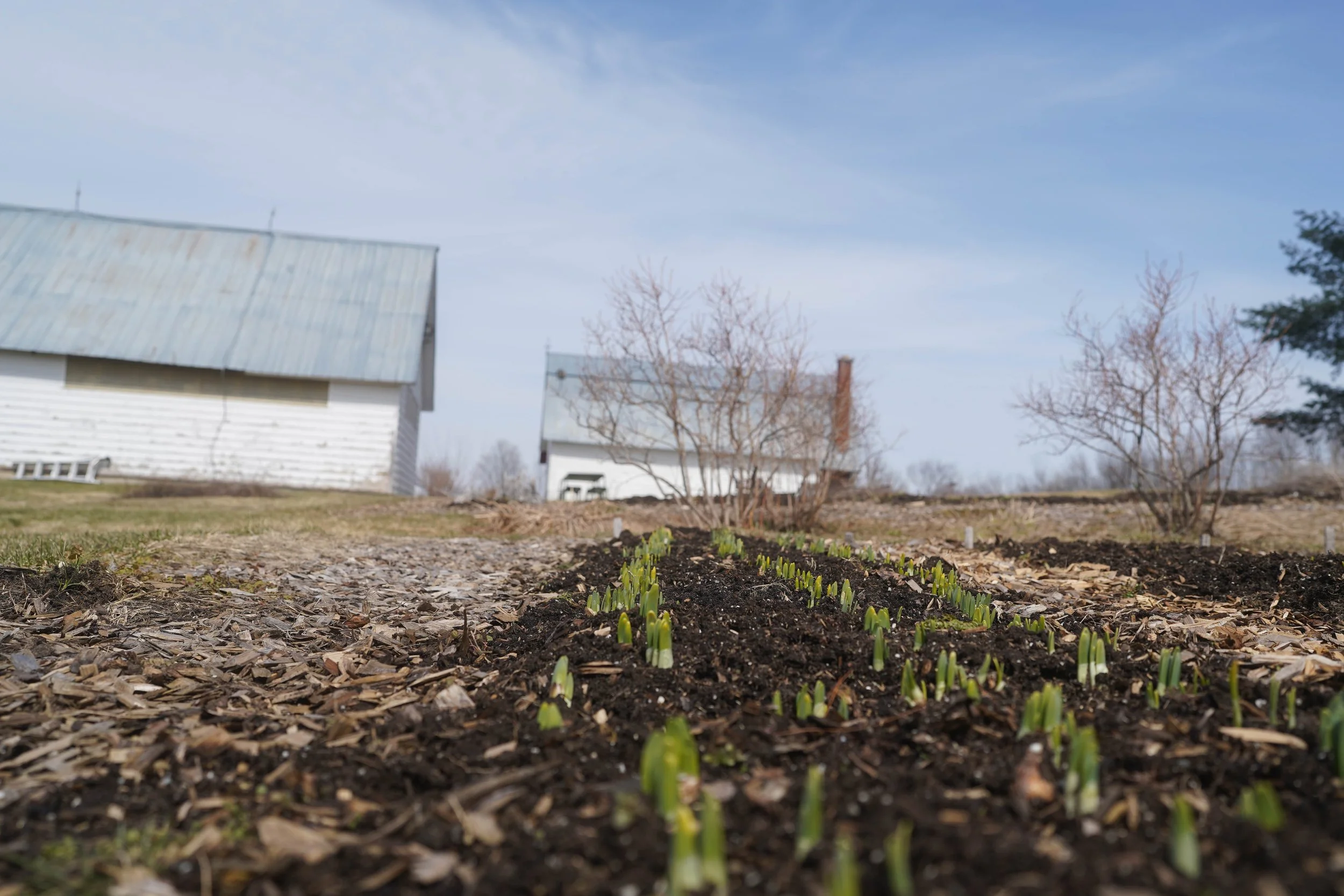
With our bedroom windows bare, the early morning sky begs the first of my waking attention. Hovering, sulky grey clouds meander along the ridge line, giving way, abruptly, to fleeting washes of blue. For weeks we’ve been mostly socked in with mist, driving rain and the occasional flurry from Winter’s last gasp. The sky has been more colorless than not, the ground gurgling and sloshy. April in the Green Mountains of Vermont is notoriously fickle, so much so that neighbors uproot to tropical climes for the entire month. Despite the southern siren song, we stay put. There is too much to do for a burgeoning farmer in the month of April but also so much to feel in this painfully protracted waking up of bud, leaf and life.
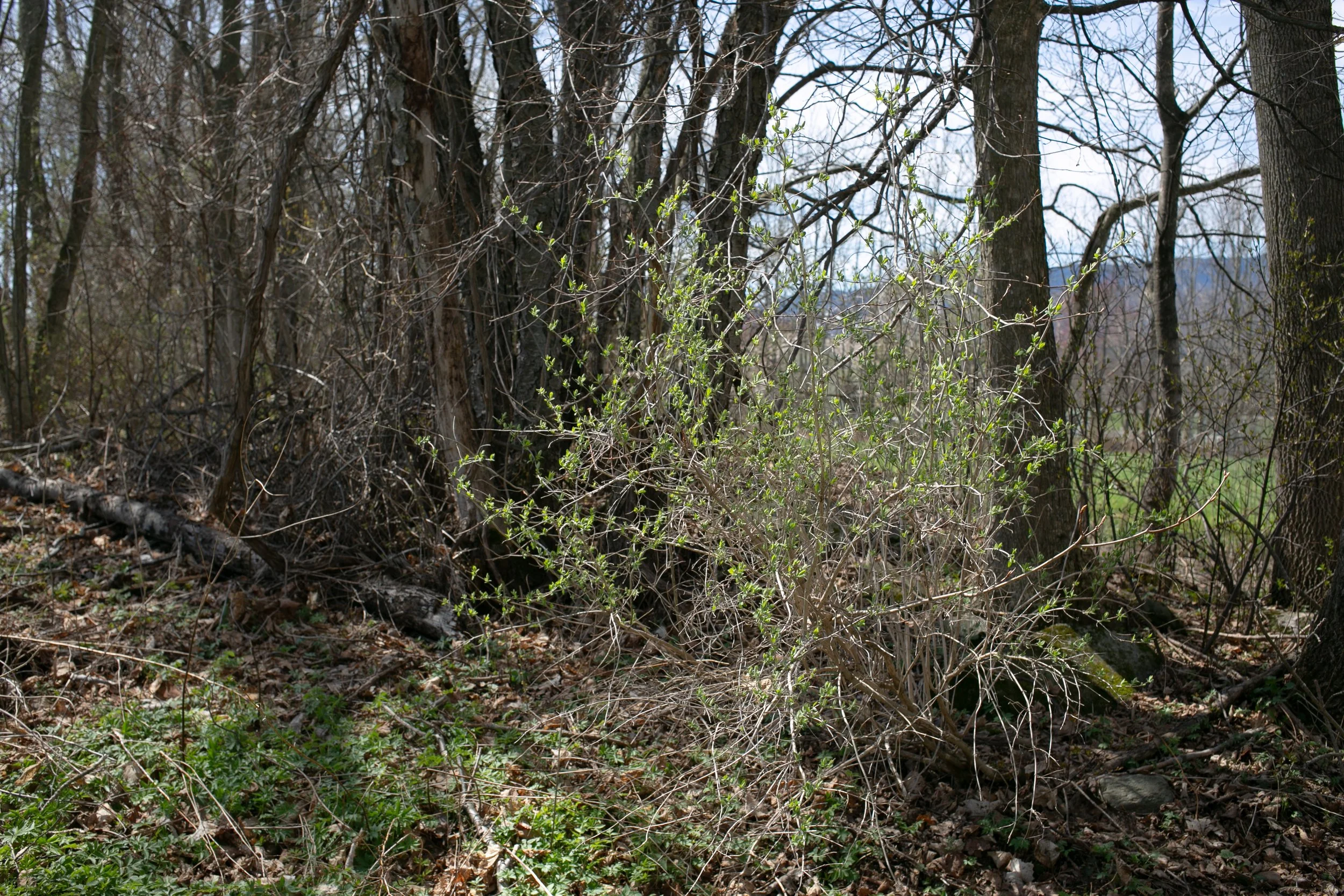
Wilsons Snipe returned this week, his aerial dance a singular winnowing tune strum from his vibrating feathers. Dusk and dawn have suddenly turned musical again as every tree becomes an orchestral gathering place. It’s as though the birds, themselves, have arrived just in time to coax the leaves and petals into being. We urge them on with a smattering of seed-filled offerings and we wait. On most afternoons, I take a lap around the field and check to see what has emerged. Is that Yarrow with her green ruffled tendrils? Why is only half of our Garlic coming into agreement? And what of Daffodil with her promise of an early arrival? We rotate through jackets thick and thin and we wait.
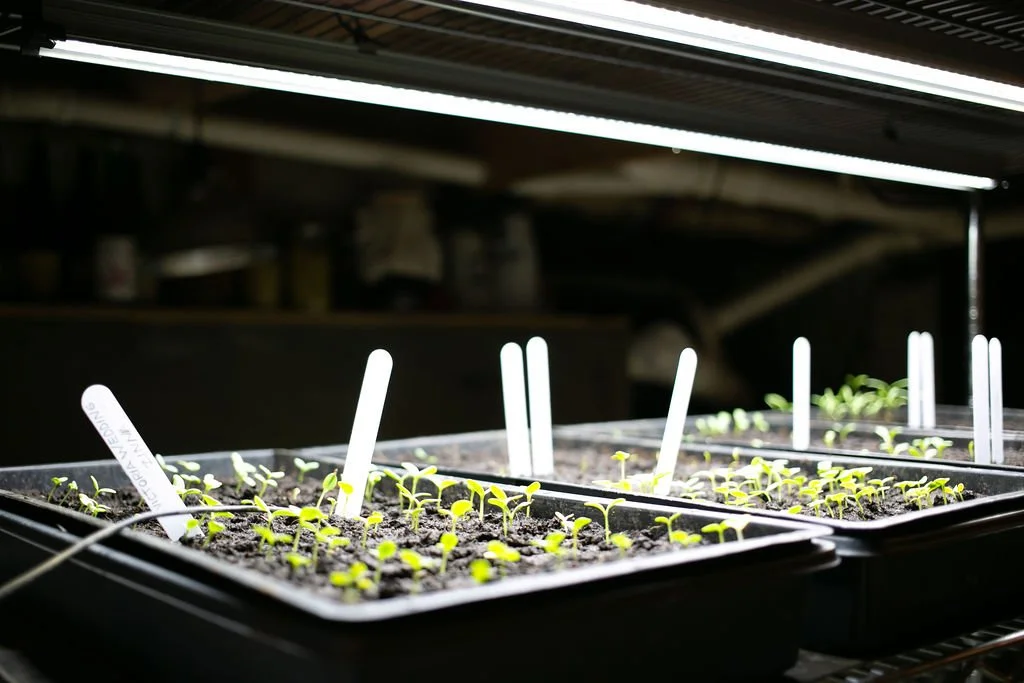
Inside our four walls, we forego waiting altogether. Inside, we play Divine. Rows of mechanically formed soil blocks sit atop heated mats set to a precise temperature for germination and growth. Lights mimic Sun. Spray mister feigns Rain. Sprouts arrive on time, as planned, unfurling in sync with the calendar we’ve created in a software program meant to track our every move. Kale and Spinach are the most eager, growing almost too quickly in their manufactured swaddles. Rudebeckia, Cosmos, and Strawflower take their time to emerge. Their early caution will eventually give way to riotous color in the field and I like this paradox about them.
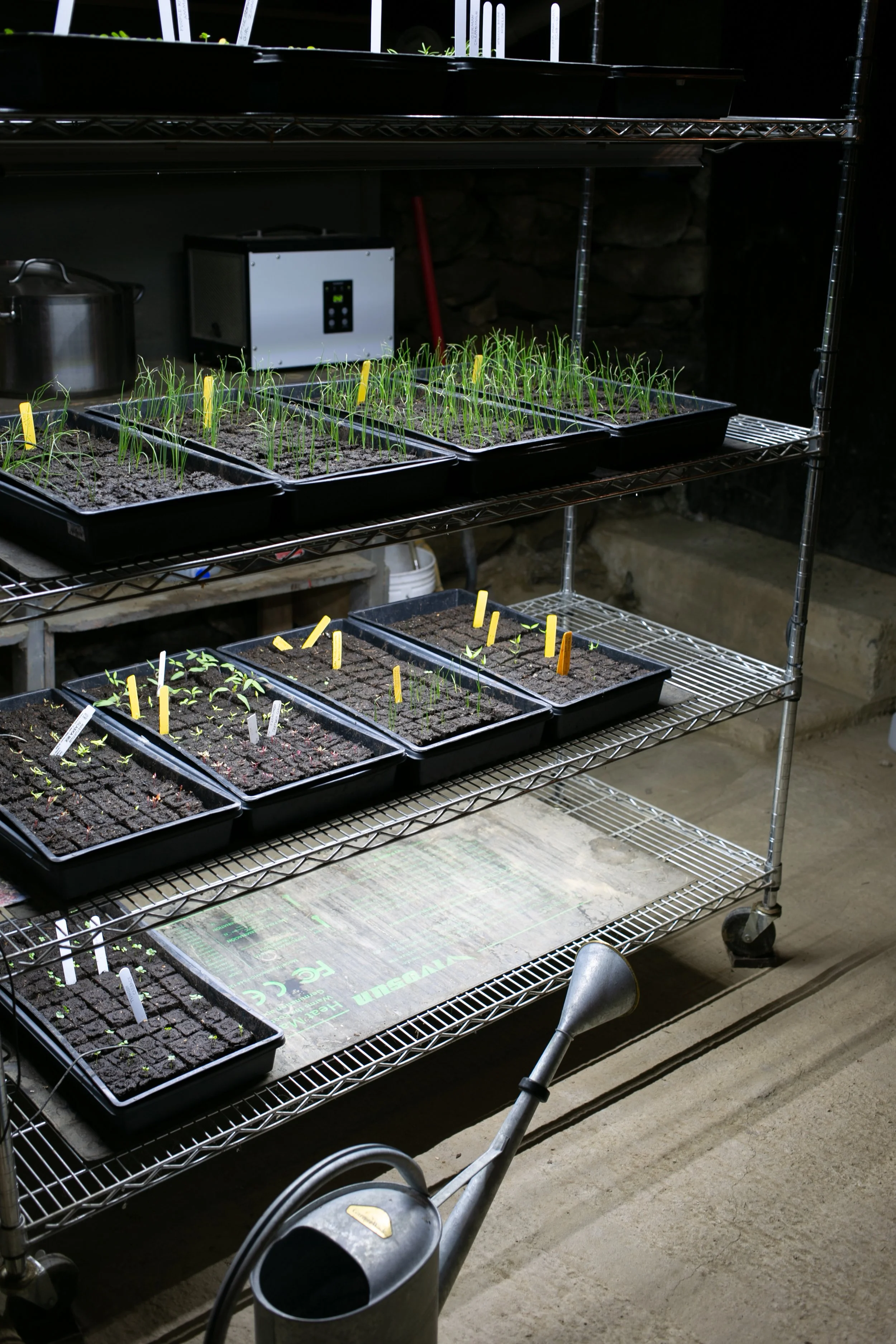
We talk to our seedlings as we water them each evening. We speak of what we ourselves await out there- of real Sun, of real Heat, of a Summer afternoon thunderstorm that ends as abruptly as it began. We encourage them to get to know their neighbors, now, as they will need one another in the field. Kale will need Parsley’s mycorrhizal relationship for nutrients and growth. Trellised Esterina Tomato will lightly shade the delicate leaves of Cegolaine Lettuce seeded just to her North. Cosmos and Yarrow will beckon ladybugs to feast on aphids doing their best to devour Mustard.
Of course none of this will go perfectly to plan, which is a large part of the appeal. Our studied efforts will fare right alongside every other being on this land, prey to lashing wind, too much and too little rain or the sudden rapture of an early Frost. Knowing just how much is beyond our control, we plod forward.
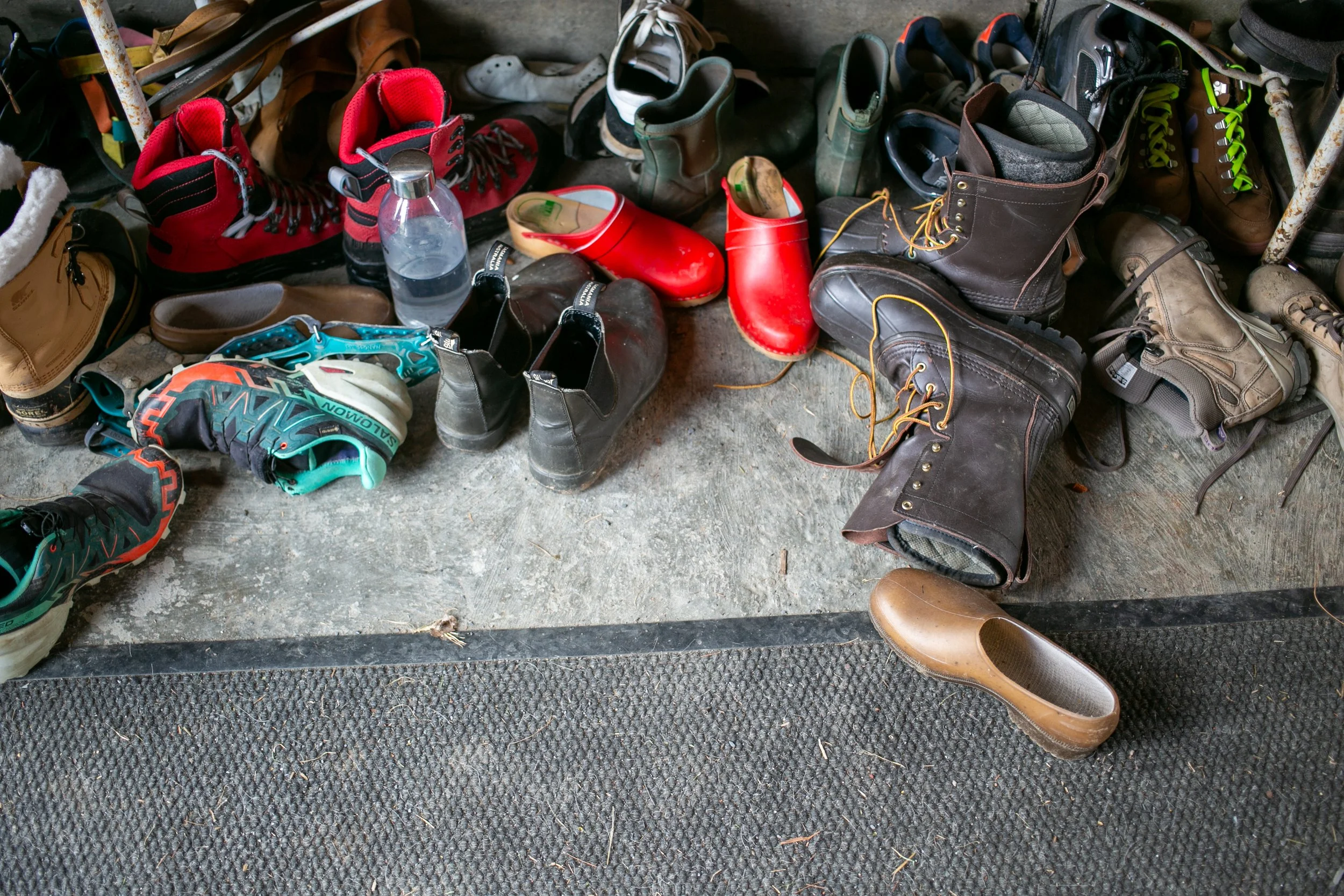
So much of my early approach to farming has come from how I’ve built my creative practice over the last three decades. I am most at home in a deeply researched beginning, stacks of books piled on every surface, a flurry of pale yellow sticky notes marking pages to which I’ll return. Images cover the wall above my desk, their surfaces punctuated by yet more sticky notes with hand scribbled questions I have yet to resolve. It is a cycle of inquiry and answer with ever more inquiry than actual answers which, for me, is the ideal state of being. And of making. I never know enough. I only know as much as I need to test a new hypothesis or draw out another thread or scrap what didn’t work without completely losing hope.
Farming, as a generative practice, requires a level of humility I don’t think I could’ve mustered before this very moment. I was too ambitious, too self-absorbed in my own desire for mastery, rank, achievement. And it’s not that those desires are completely without voice but their volume has been turned way, way down. In good moments, I can hush them into absolute silence and cast them aside to sit, muted, next to their kin, fear and doubt. Farming brings more of these good moments into being.
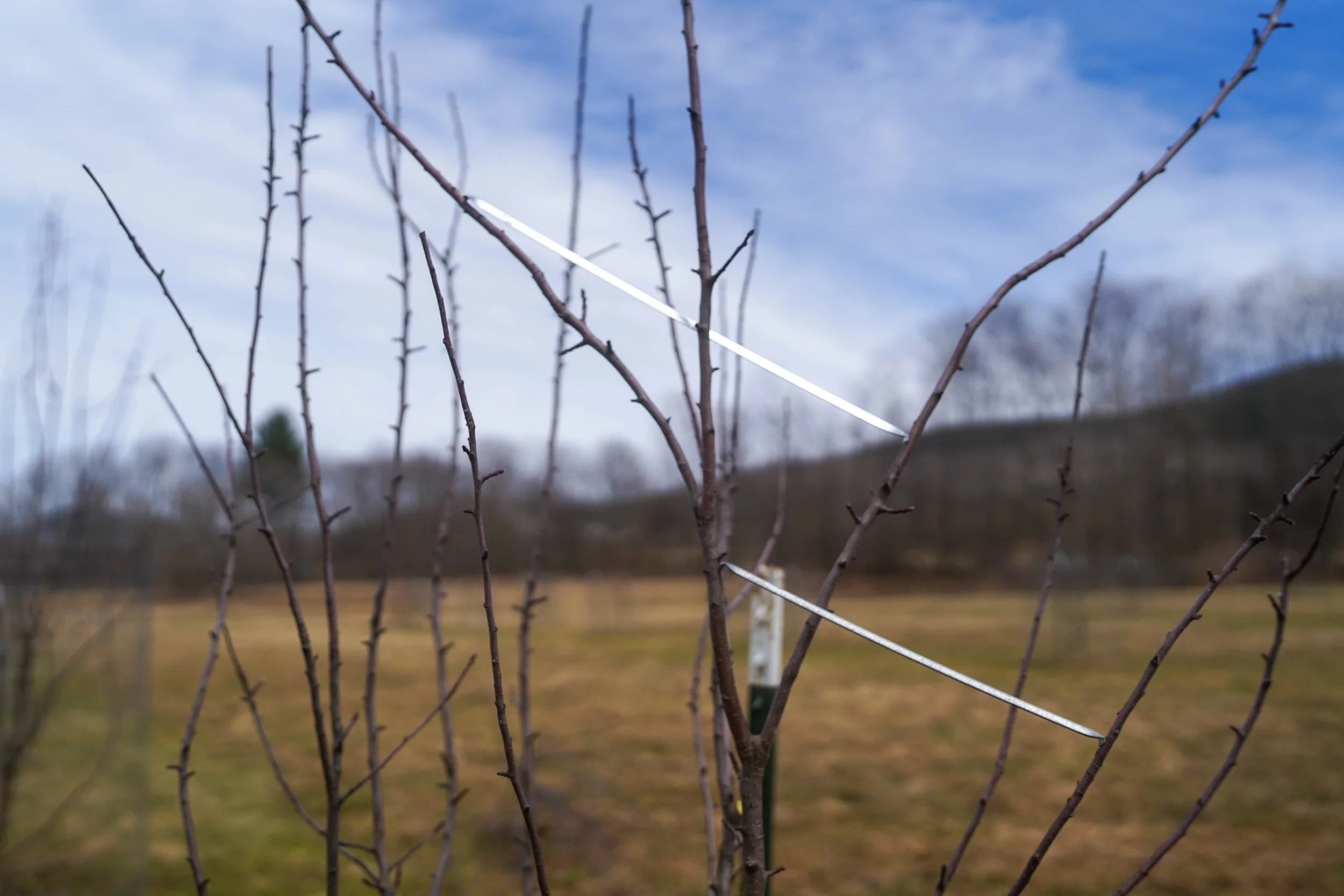
Yesterday, I walked the orchard rows. Wickson buds first.
Four years ago, we seeded winter rye the autumn before the trees arrived. It shimmered silvery blue against the ochre pasture, each blade of grass widening quickly with Spring's lingering light. We tilled once, removing stones, with the intent to never do so again.
Forty-two trees in total, bearing a host of names I love to say aloud, on repeat. Esopus Spitzenberg, Wickson, Api Etoile, Ashton Bitter. We chose varietals mostly inclined toward hard cider, a mix of standard and semi-dwarf rootstock. Four more years before we harvest with abundance. Ten years, at least, before they stretch into a continuous canopy to shade the sheep grazing below. I can't muscle this to happen any more quickly. I will be 65 when this tapestry of trees is my favorite refuge on a hot day.
Farming, as a generative existence, requires faith.
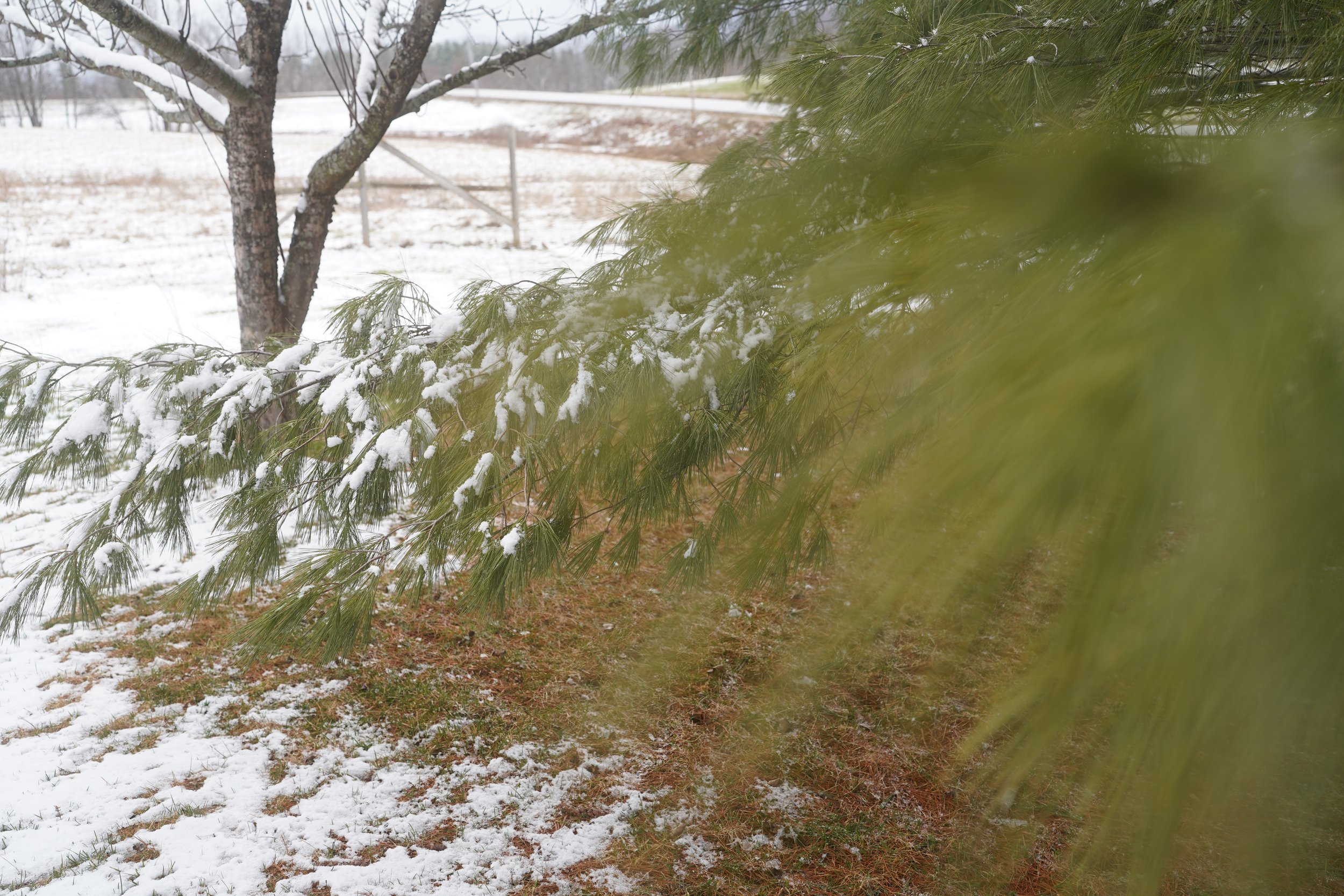
We awoke this morning to a heavy, sodden snow. Even our majestic pines drooped with burden. It’s April 22nd and Kale is getting leggy in her pot. Hairlike roots amass in menacing clumps, a threat to the plastic tray that binds her inside world. She longs for Sun, for real space to just get on with things. She longed for this even as a seed, four weeks ago, rattling around in a paper packet with instructions on how to offer life. I try to reason with her as I go about my evening watering. April will come to an end. There is a 20 foot row of loamy dirt awaiting your entrance. I chasten myself for starting seeds too early this year but quickly soften. I remind myself that we need these seeds to emerge at the start of the month lest we endure April’s mockery with nothing to tether us to her eventual end. I coo once more to them as I climb the stairs and turn their world to night, fingers crossed that we can ride it out until it’s time to open the cellar door and ready them for their one big move.
PHOTOGRAPHY: MCKENZIE TAPLIN