
ON MAY
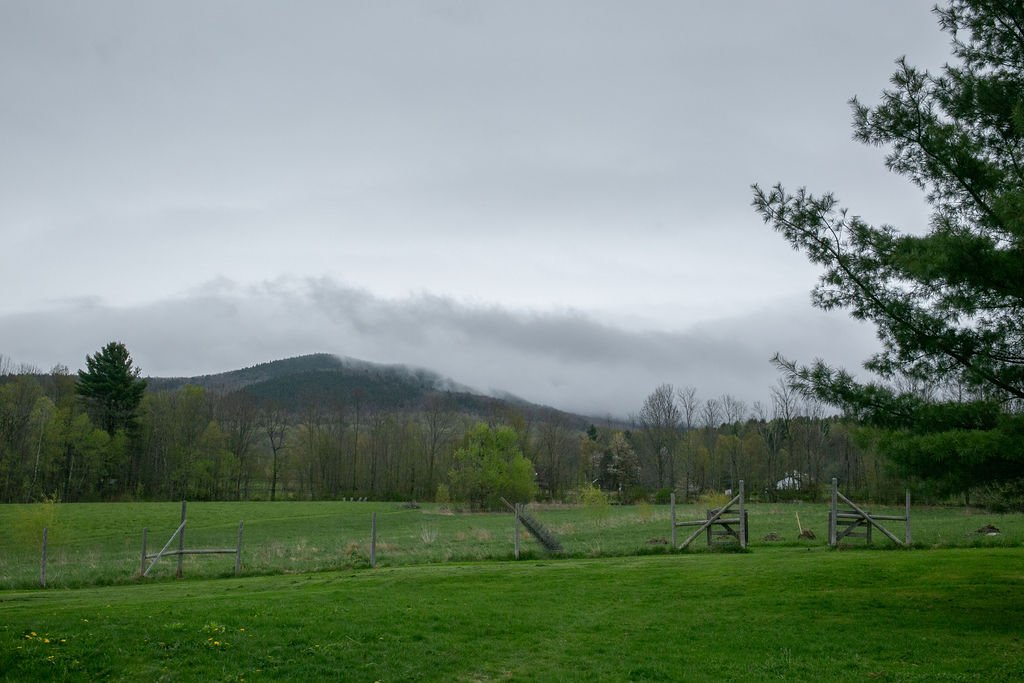
Days ago, torrents fell from a grouchy sky before night cast a lacy frost along every edge of new bud and leaf. Early asparagus yellowed, woody and wizened. Currant and strawberry blossoms muscled through, resilient against this final herky jerky into the growing season. Last week, we moved the starts to the garage, close to the open door where wind and muted sunlight can begin to harden them off. I am not a coddler by nature so this process feels fussy to me- a few days of sheltered sky, then a few hours of sun for a few days more, finally full exposure for yet another few days before finding new ground in the readied beds. In years past, I’ve been far less generous, moving entire flats of new lettuces straight from heat mats into the open field. Results were varied, learning accrued.
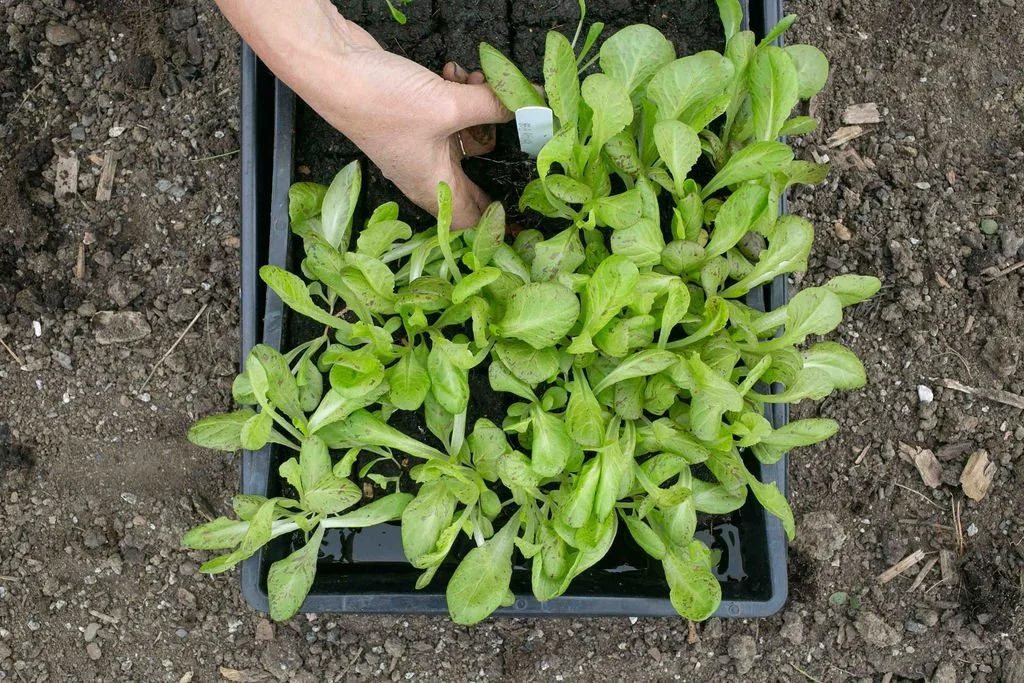
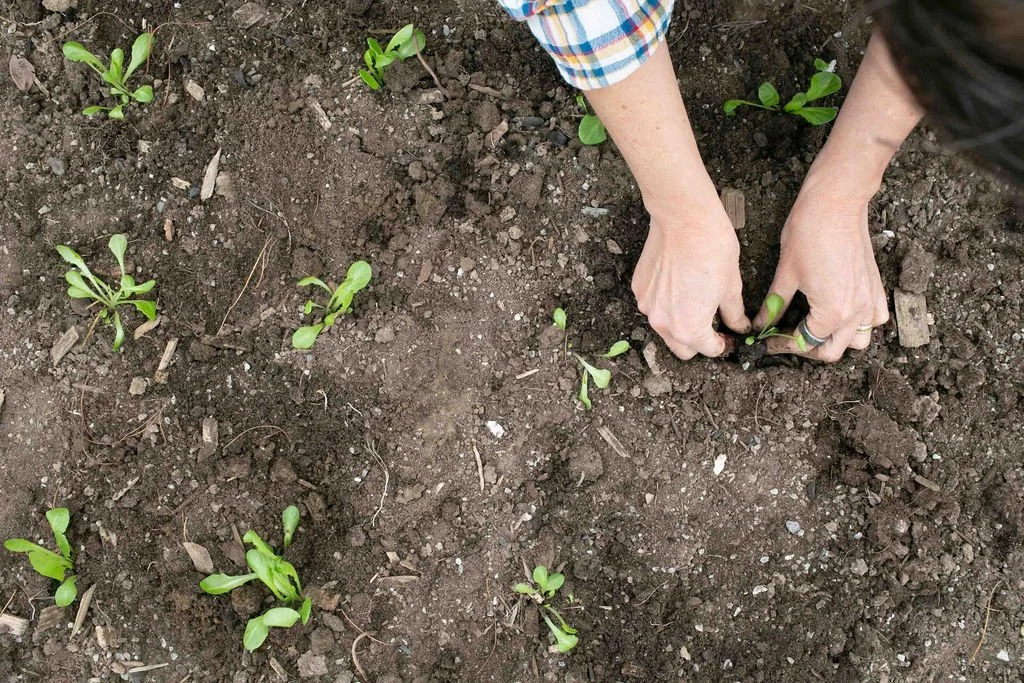
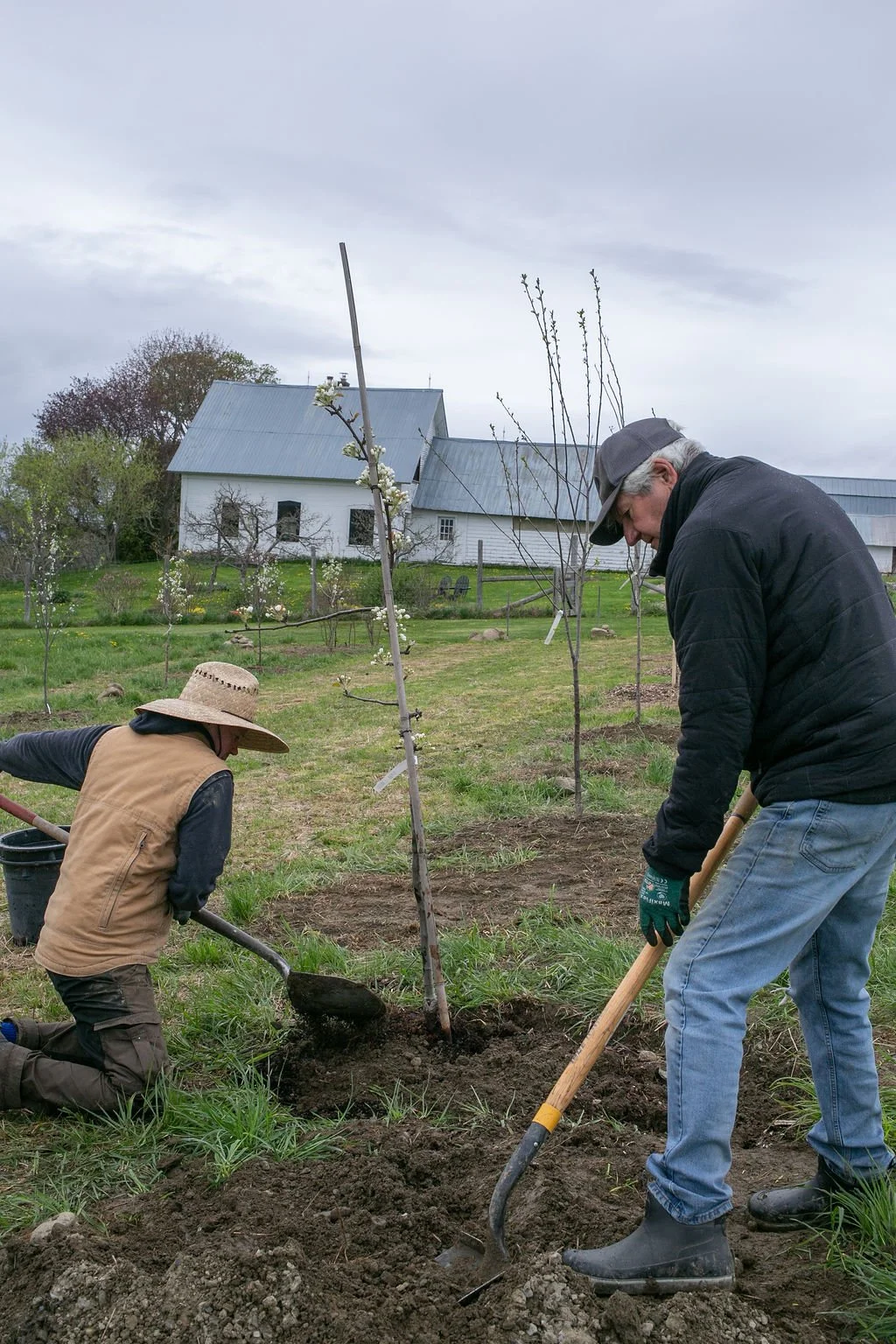
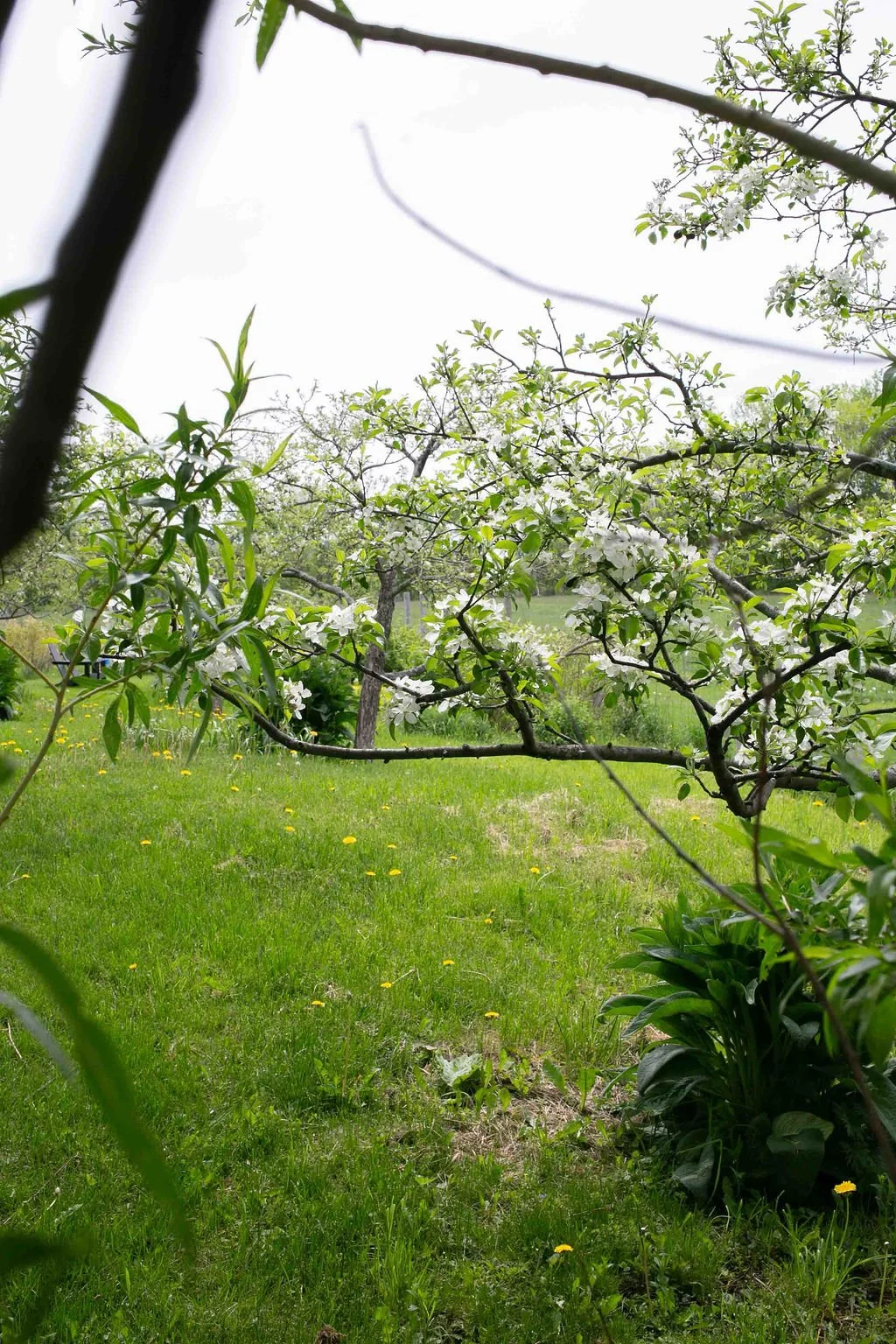
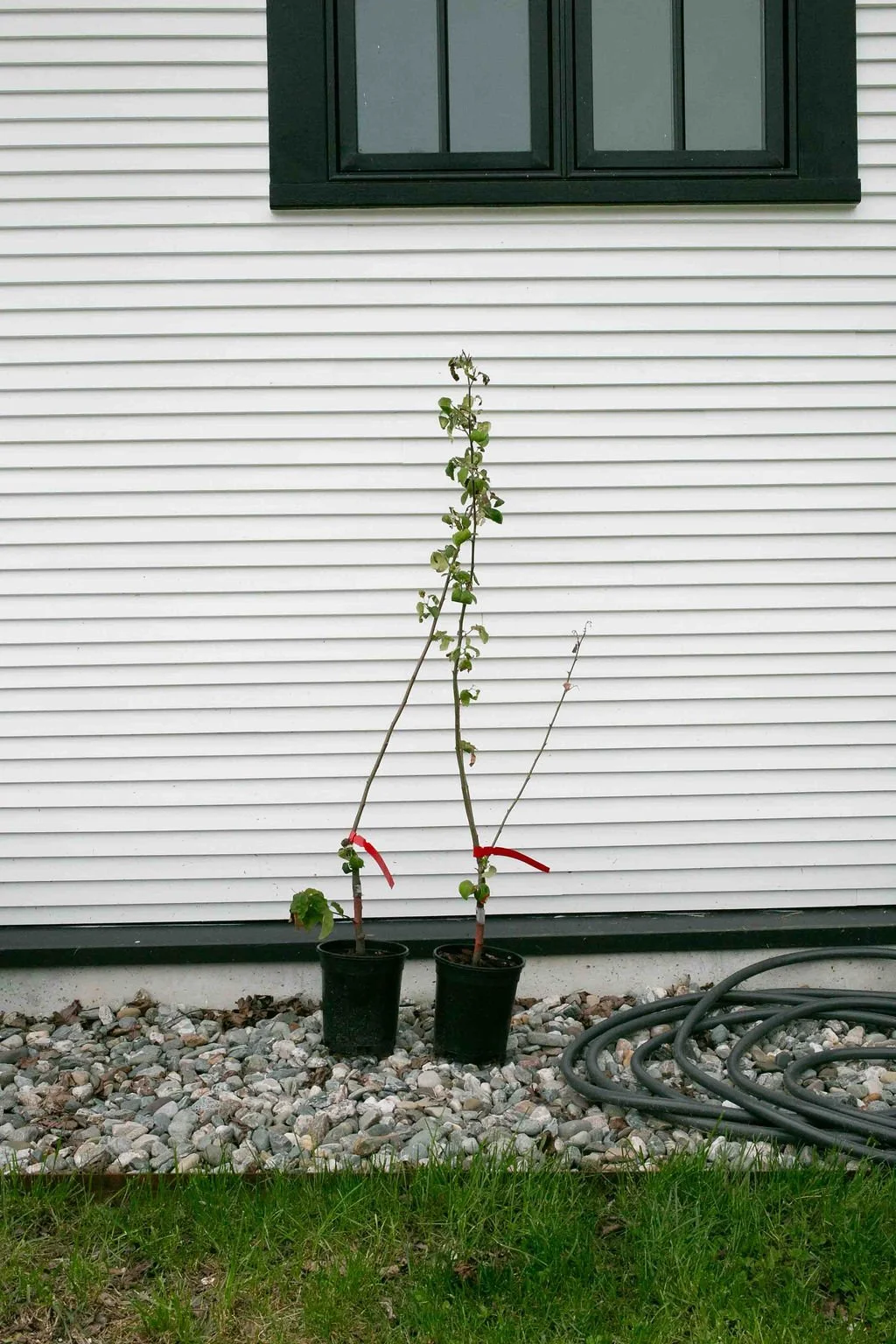
It is hard not to swing wildly from feverish optimism to sheer panic, and back again, during May. That we miscalculate this every cycle is a beautiful reflection of our deep longing for outstretched days and heat on our skin. Flies bloom in hysterical bursts, red wing blackbirds viciously fight for territory around new nests, dandelion erupts with a thousand yellow orbs across a hill that was yesterday only washed in green. We, too, move about with a hurried purpose. We plant a three year old pear tree, mid blossom, only to fret over how it’s rooting and what it may need during its first year in our sodden soil. Kale is transplanted only to wilt and complain. We apply more compost, gentle irrigation. Kale gets on with it.
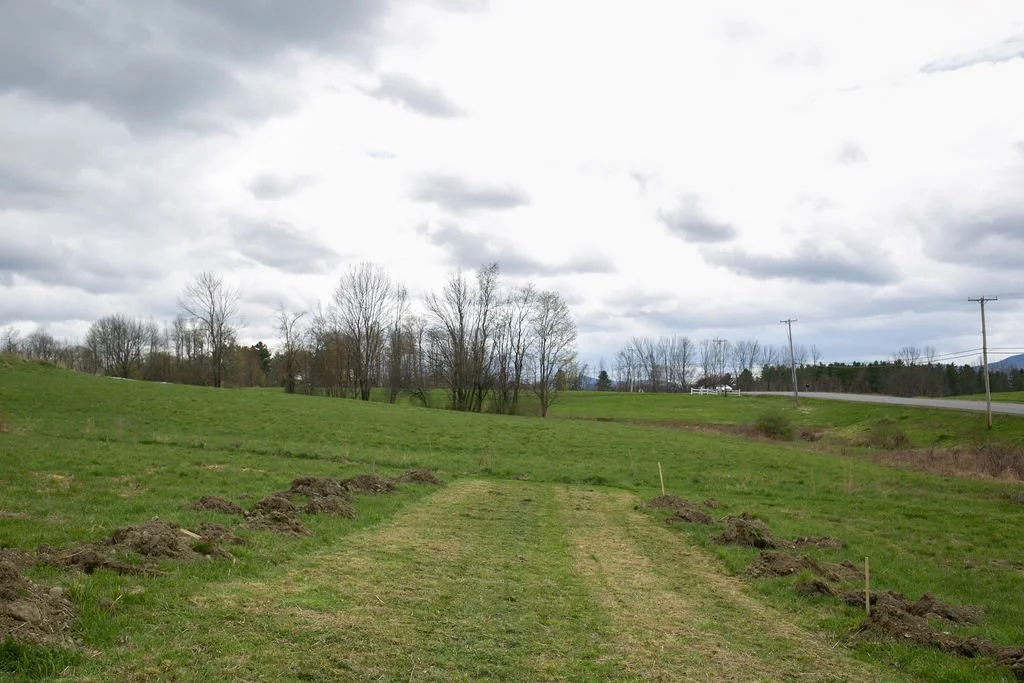
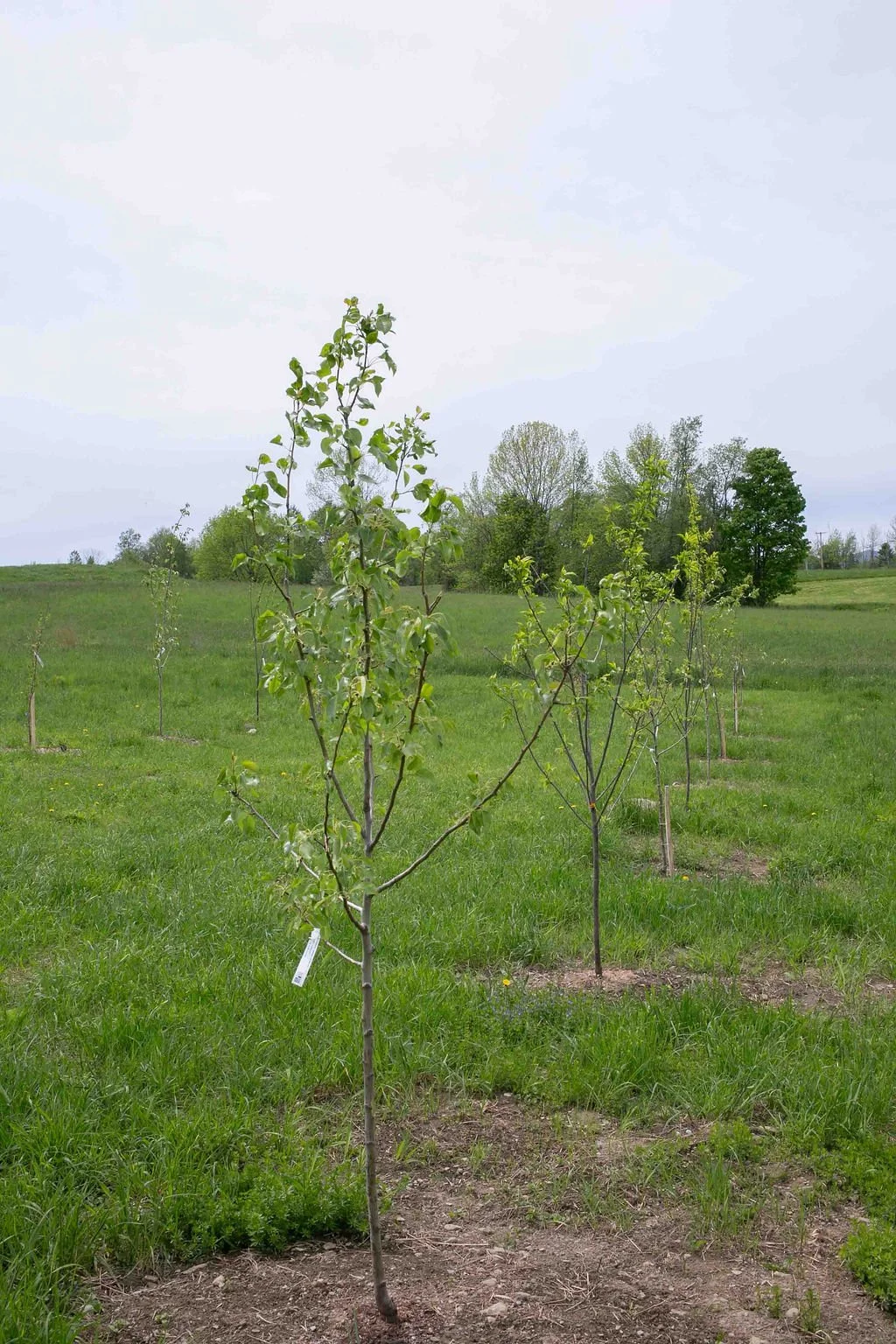
May is also a paradox- a terribly chaotic time to be making any decisions and yet that is entirely what’s at play. This year, we are negotiating a new land deal, expanding three zones of the orchard and sketching out the space for a sheep barn. Daily, dozens of tasks need reordering. Hourly, there’s the nagging question of pushing on or hydrating and taking a break. I consider myself particularly gifted at triage, a survival skill honed having grown up in a house with consistent chaos, but May can flatten me. In March, I used my newly minted vibe coding skills to spin up a software app that allows us to crop plan, arrange layout and predict yields. Like other programs of its kind, we abandoned it entirely once the work became real and updating it became its own burden.
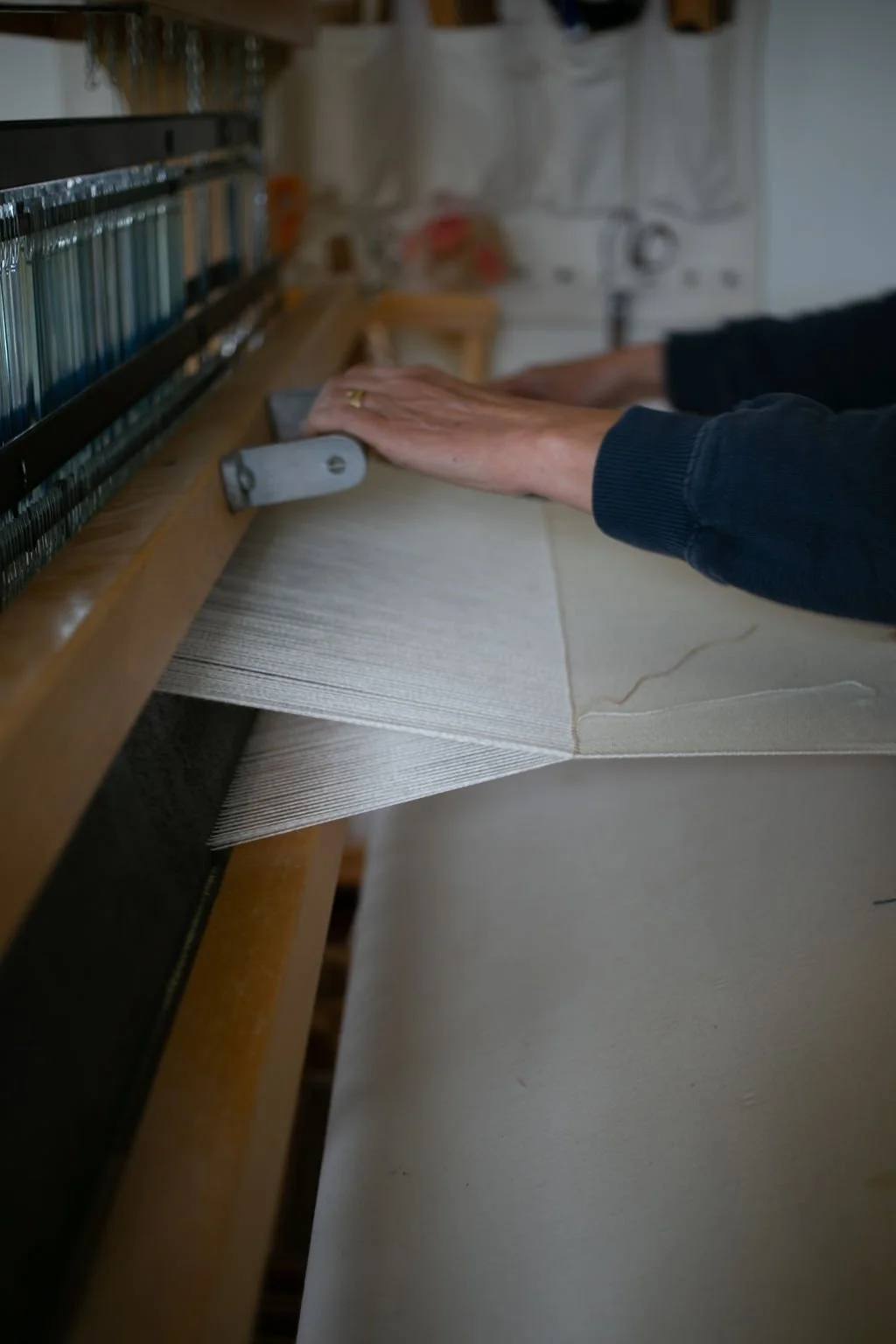
I picked up several skeins of Shetland yarn from Fern River Farm yesterday at the town farmer’s market, mostly in the name of research. The breed has been at the top of my list since we moved here and discovered that whatever type of animal we bring onto the land must have good feet. Boggy soil and harsh winters are a Shetland’s natural habitat, known too for a wide ranging array of fleece color and high quality wool. They’re small and behave more like dogs than not, which makes the question of slaughter slightly more challenging but we are committed to a closed loop system. We’re also committed to raising an ancient landrace breed, one that has been thoughtfully developed in deep connection to a landscape over centuries.
Like many other places, Vermont was devastated by ‘merino mania’ in the 19th century when government programs incentivized massive expansion of the wool industry with a singular focus on the Merino breed. Whole tracks of forest were clear cut, our pasture included, as the rise of large scale farming dramatically shifted the landscape once dominated by networks of small scale subsistence farmers. By 1850, the glut of wool production from the American West forced many of these Vermont farms to shutter or turn to dairy production. It was decades before forest regrowth took hold and land repair made visible.
In my corporate sustainability work, Merino is still the dominant fiber for any sizable production. Even among those working within the most rigorous regenerative principles, monoculture is still at the core of what they do. One breed, one crop, one system. The sexiness of scale subsumes the absolute dullness of homogeneity. On the farm, we enact the opposite. I try mightily not to frame Fell Fields as reactive but how could it read as otherwise.
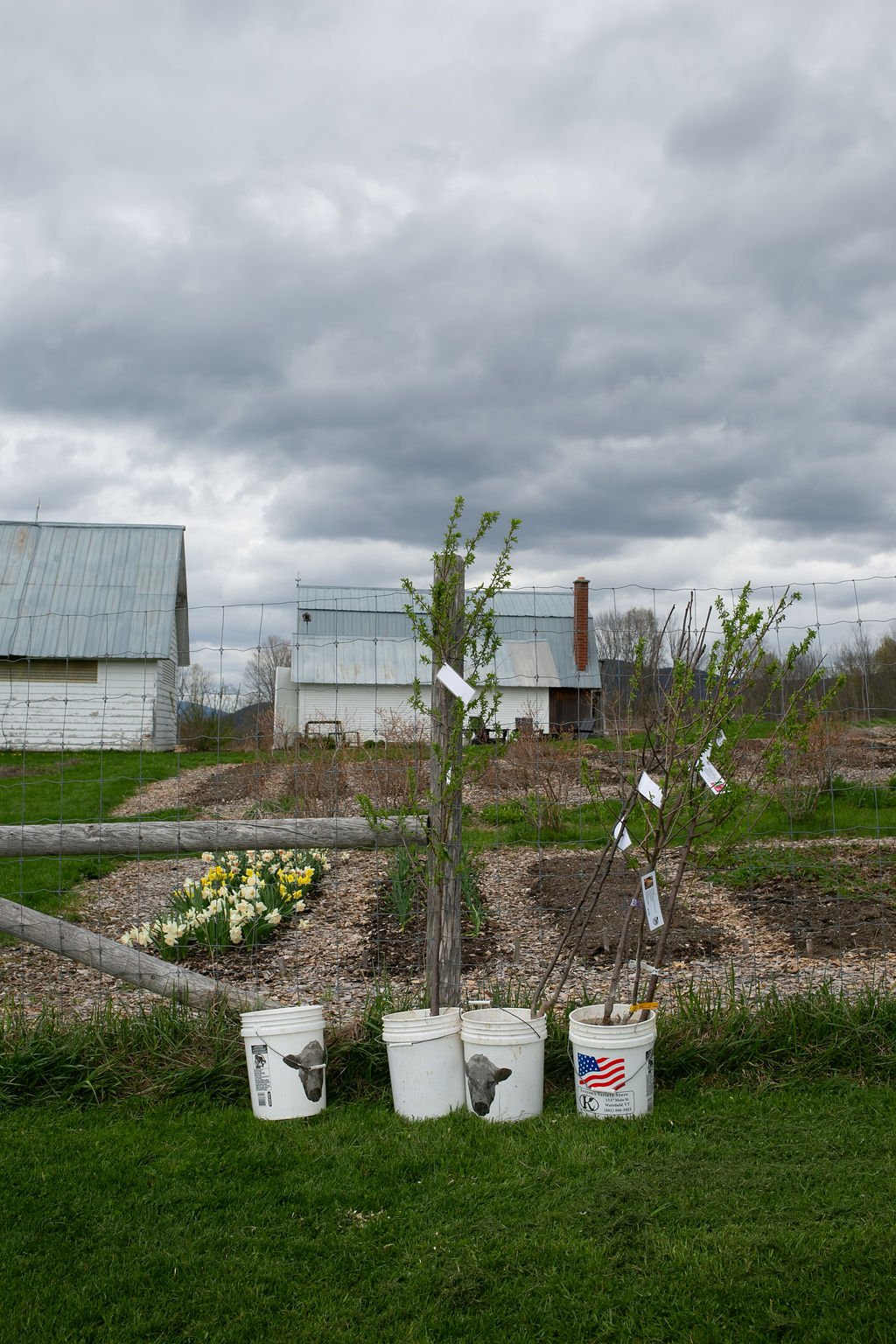
We awoke to steady rain on the metal roof and another drop into the forties. May simply cannot make up her mind. Young transplants struggle to stand upright. Zinnia defies them all, stretched tall and desperately seeking sun. Romaine looks despondent, same with fennel. We go ahead and trellis the young tomatoes who would far prefer a warm high tunnel for the next two months. Next season, we promise. Asparagus is ecstatic and I can’t keep up. I decide to lacto-ferment a batch and extend the season. A warm salt brine and some lemon is all it requires, which feels like the right answer to this sullen day. Four trees remain unplanted- persimmon, mulberry, peach and quince.
PHOTOGRAPHY: MCKENZIE TAPLIN