
PERENNIAL NATURE
I snapped the QR code and waited for the test to return a result. Negative. I logged it to the formal record that would allow passage onto my flight home and shut my eyes for a few hours of sleep before my taxi arrived. Three days later, with a steady cough and a handful of coworkers positive for Covid 19, I tested again. Negative. The cough worsened and my chest tightened. My breath grew raspy and short. At the emergency room, they ran a PCR. Positive, time stamped June 15th, 2022. I nebulized albuterol to loosen it all up and went home to sleep it off.
The following weeks still run vivid in my psyche. Nine hospital visits, a cadre of physicians who had nothing much to offer, a mounting anxiety that felt wildly cellular, as if it were coursing through my body hitched to the virus. I became inconsolable. Eight weeks turned to twelve turned to counting by month, not week. More specialists, more confusion. So much of my time was spent trying to easily breathe. When people talk about the impact of trauma on paring all that matters back to what is elemental, they mean this.
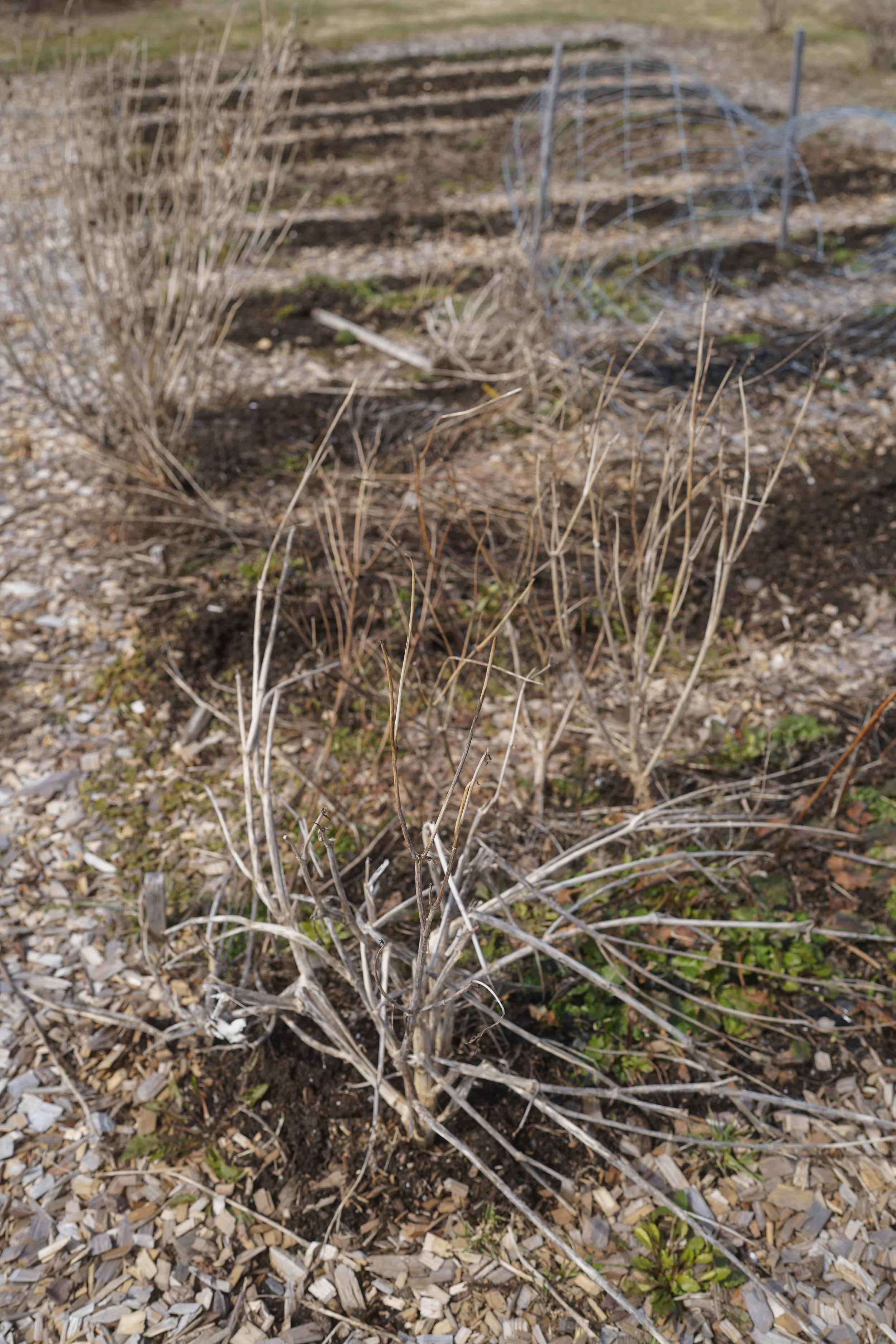
From my bed, I watched the chaos of summer unfold on the farm. Bindweed consumed the edges of every row, dandelion punctuated tidy lines of greens. Much of what we grew went uneaten, left to rot in place as evenings cooled. I related to the desiccated tomatoes. I liked that the garden was as unkempt and grief stricken as I was. Winter bore down fiercely, and without time to welcome it in. I was no closer to understanding how to heal and at some point, I simply broke. This, too, in sync with heavy snow and abbreviated light. I was without recourse, much like our perennial beds forced to bare stem and protect what is rooted. That I understood this in the moment seems like a type of spiritual intervention I don’t typically entertain. But I did. I lengthened the time I would walk on our neighboring road. At just about a mile in, a giant willow holds dominion over a quiet brook and long abandoned field. We began a conversation, my part of it loud and raging, hers stoic and strident. I didn’t know how much I needed that exact response until I found her.
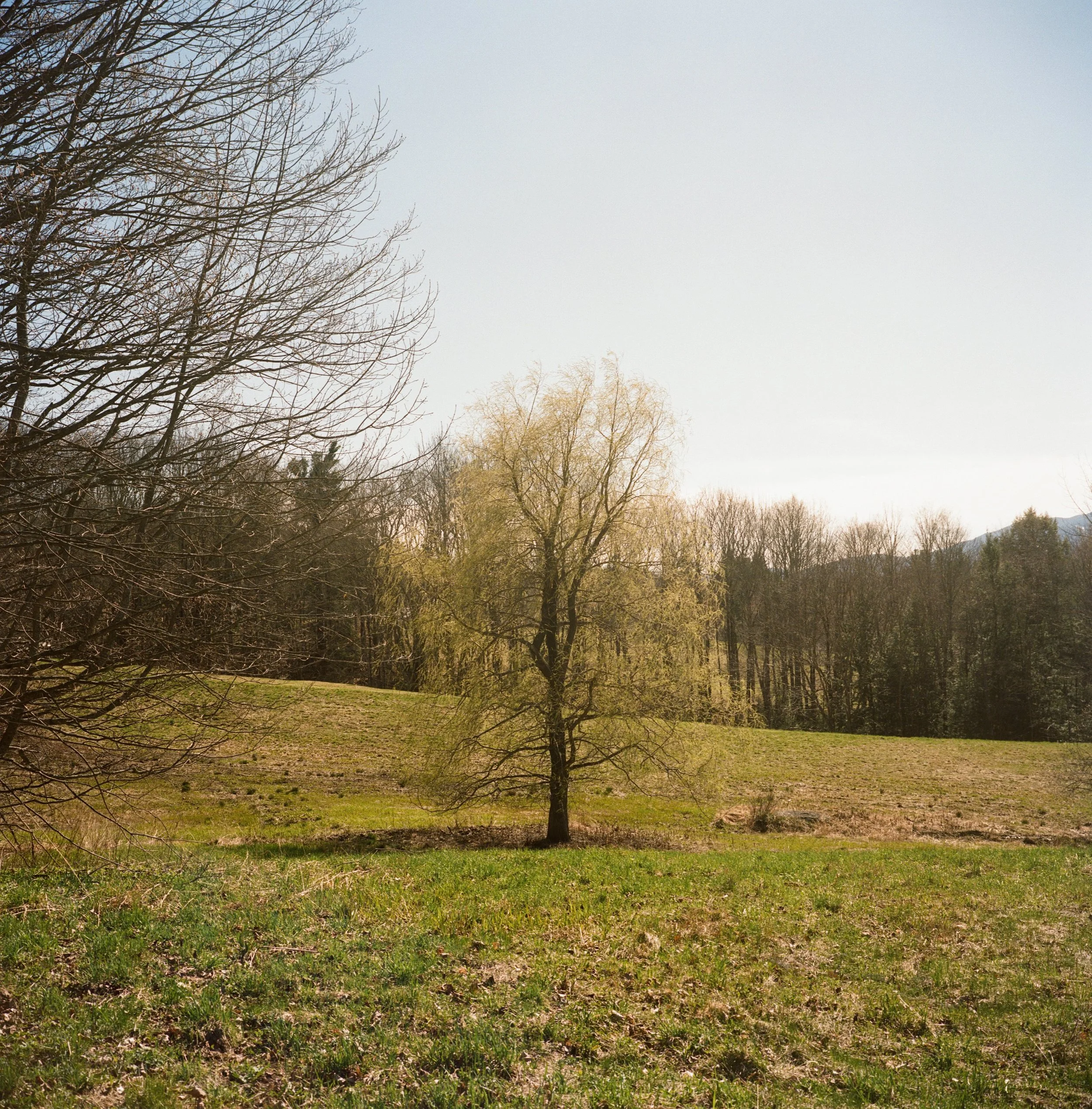
As the green of her returned, I made a plan to plant a series of willows along our swale and sketched it for Heath. I kept on. Every idea we’d had about the farm felt naive. My new body was unconvinced that much of it was even possible let alone inspired. My process became somatic, much of it born from constraint. A market garden with full production seemed inane. I returned to the small agriculture library we’d amassed, piecing together ideas centered around longevity. Perennial. Wild. Symbiotic.
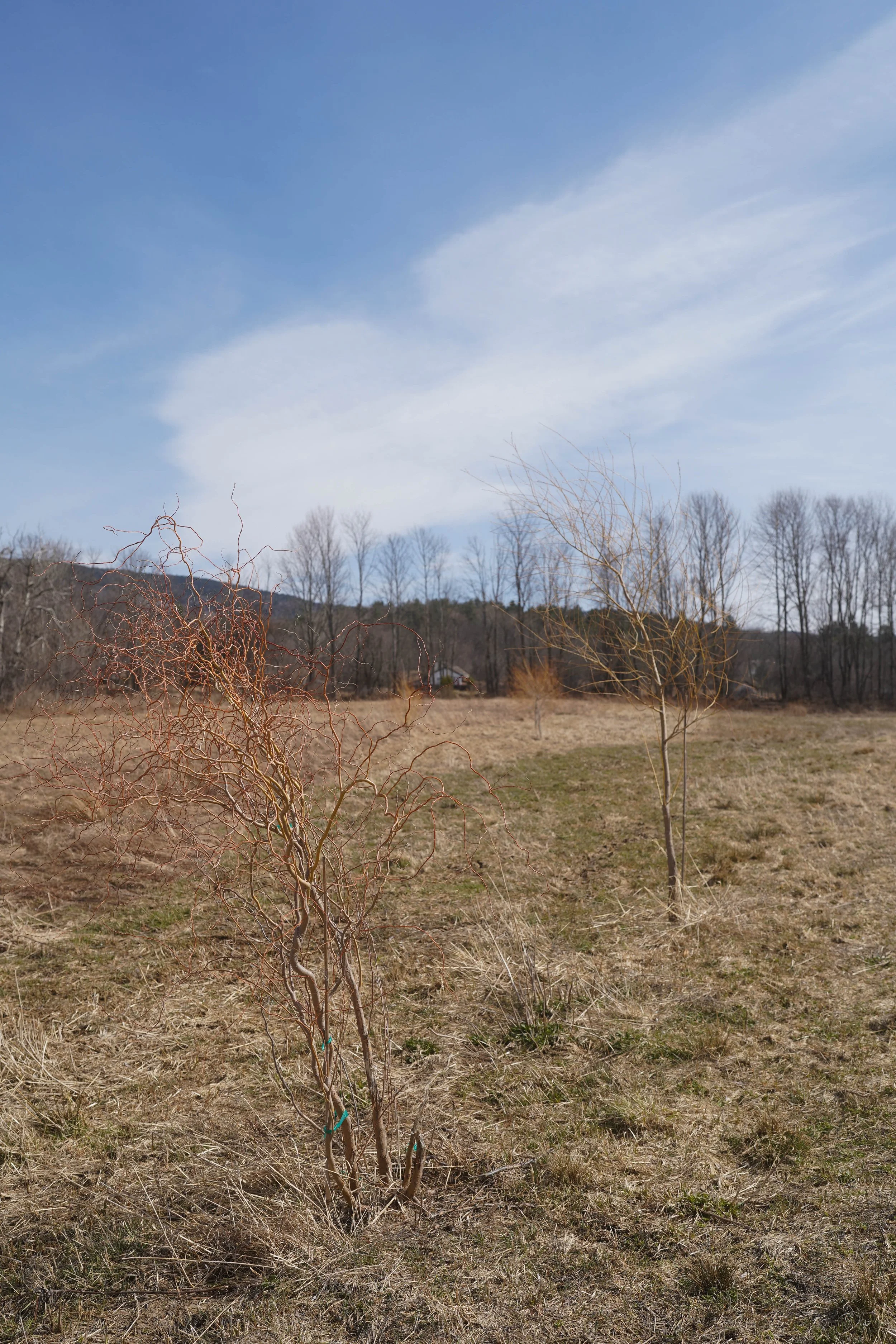
Within my body, I did much the same. I landed on a team that was willing to trial a number of protocols, some of which helped. By Summer, I was able to slowly hike a gentle hill and weed for an hour at a time. I dodged the question of how whole I had become because the shape of me had entirely transformed. I had very little language for this but I could see it mapped out across the landscape. I understood her body differently, too. We became less separate. My impulses felt more resonant with what she wanted all along- more orchards, more habitat for the bittern and the bobolink, more ways to fix nitrogen year over year. That this plan was also a blueprint for my own recovery took time to recognize.
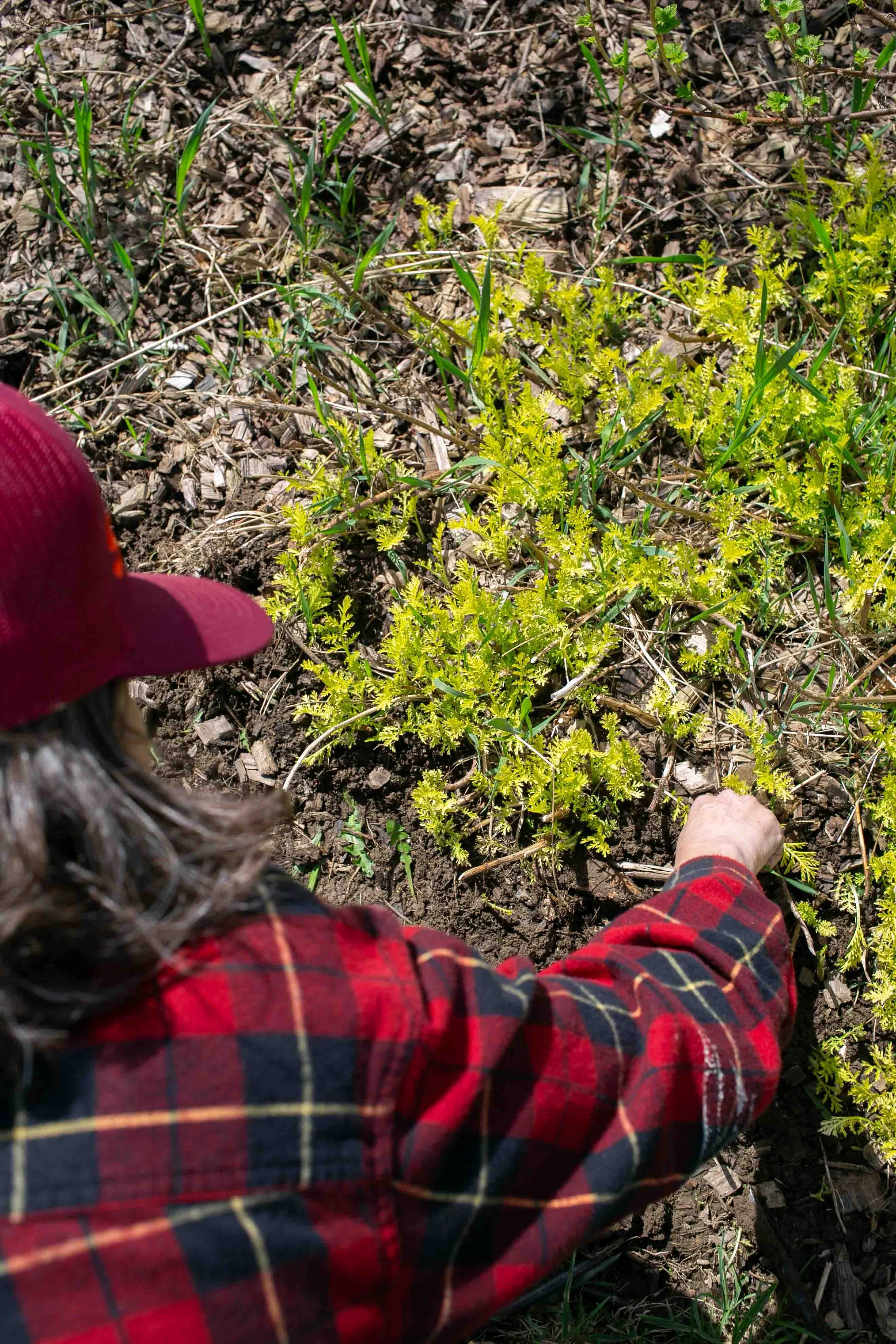
Yesterday, we visited a neighboring orchardist with a penchant for long horizon trials. He is wholly consumed by the idea of a persimmon that will flourish in our zone 4 conditions. To date, he’s grown out 15,000 seedlings, of which one has survived. He is unfazed. Rows of sea berry, hazelnut, chestnut and currants run like staggered lines throughout the field. Everything is a bit chaotic, save only the science that underscores it. I can’t work that way. I need a certain sense of order to push against. Saturday, I spent the entirety of it mowing, trimming and mulching. I felt exhausted but insistent. Only when I later showered did I remember that the anniversary of my getting sick is a week out. Each year, I’ve lost track until my body starts tightening around whatever it can. I get cranky. Four years have passed and remnants linger; the air hunger hours after a hard workout, tingling in my fingers and shin, the need for a nap at inopportune times.
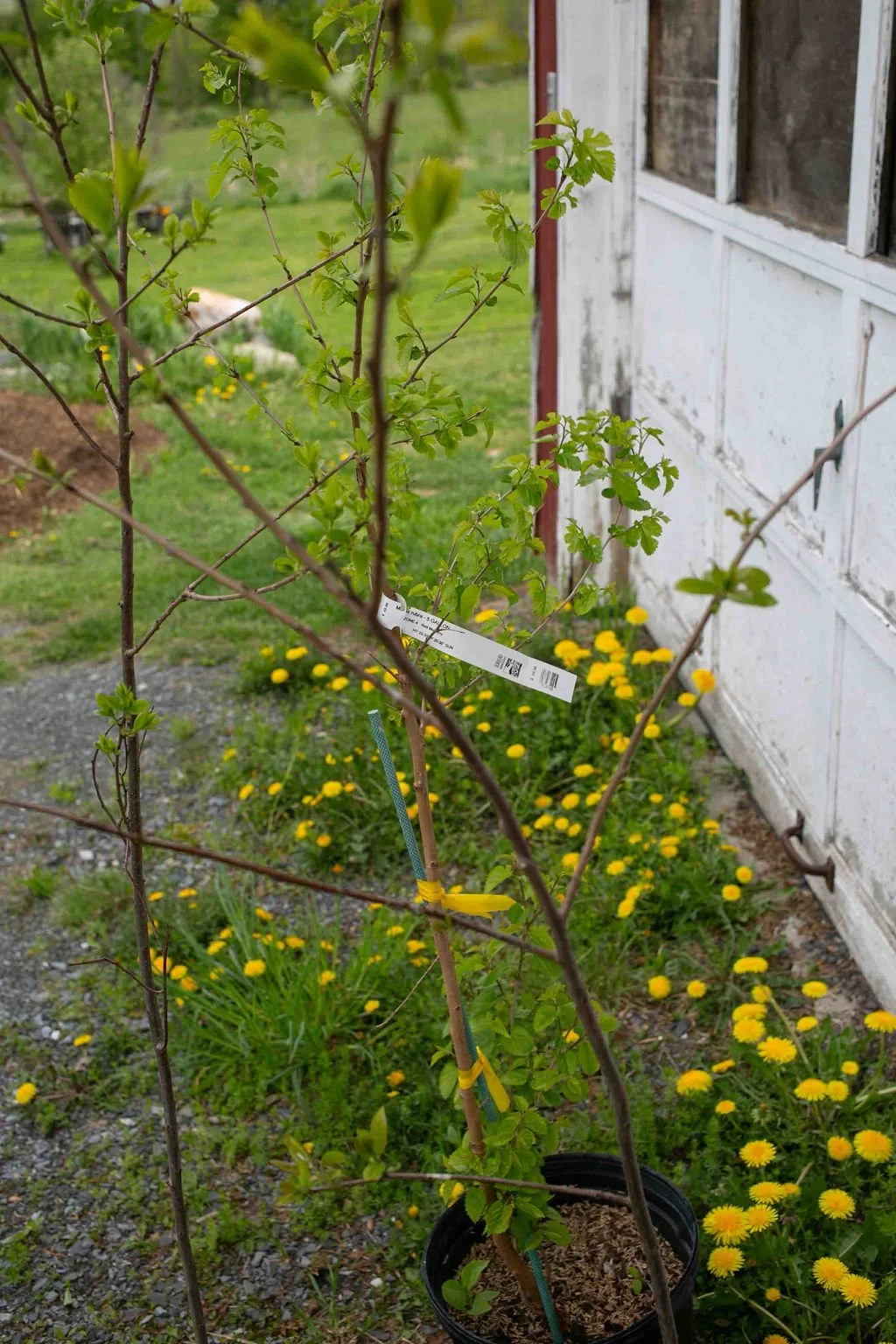
The batch of plants we took home from the orchardist awaits new ground. A hedgerow of seaberry will mark our property line, currants will fill in space between two quadrants of pear and plum, hazelnut will give backdrop to peach. My favorite is the Shaker Village Mulberry. Several years ago, the orchardist snipped a few branches from a wizened old tree while on an orchard tour at the storied village. He grafted them all, one survived. He returned the following Spring to harvest a few more and the tree was gone; she’d blown down in a wind storm leaving a gaping hole and not much more. He got to work and grew out more seedlings. Today, one of those is thriving, standing squarely where her mother once stood.
PHOTOGRAPHY: MCKENZIE TAPLIN