FLORA
When I was ten, we moved to a blocky pink house on a historic street in a neighboring town to Charleston. Our front door opened out onto the sidewalk but the back yard was spacious with a view to the harbor. Within a matter of months, my father — obsessive by nature — had over fifty rose species in the ground. Weekends were spent pruning and spraying, geared up in a tyvek-like suit and mask. It was the 80's, after all, and pest management was routinely performed the toxic way. My mother was still saddled to the kitchen with her catering business but at some point, both threw their hands up with their respective passions and my mom became our head gardener.
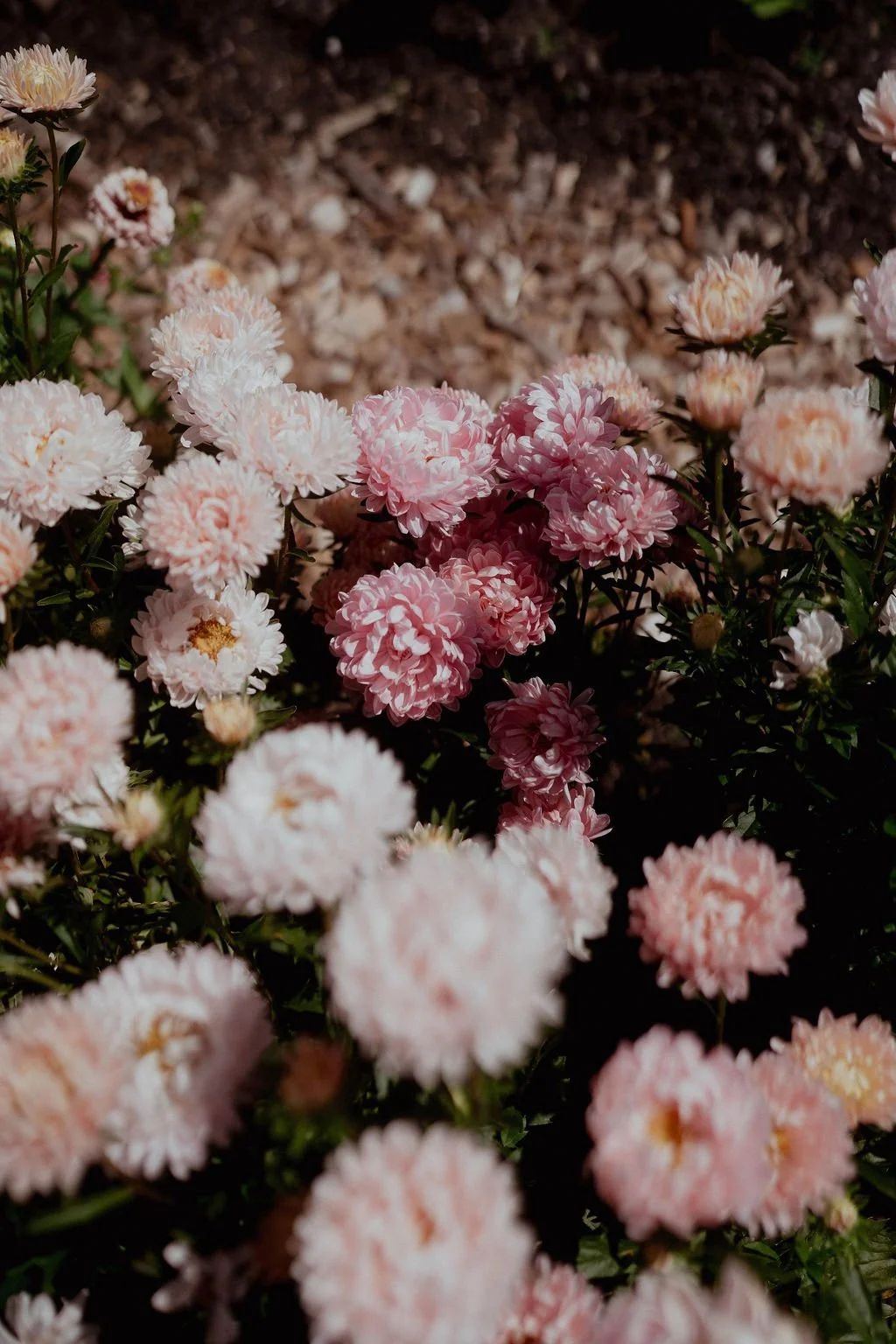
Overnight, roses were eradicated and the entire yard became that of an English style garden — formal boxwood to structure and shape, perennial madness for color and balance. For a number of years, cars slowed to ogle her work. She pursued a master gardener certification and tallied hundreds of hours on her knees, hands in dirt. Experiments were routinely conducted — the failed peony attempts, propagating cuttings smuggled in suitcases from the British countryside, a micro garden for mountain natives.
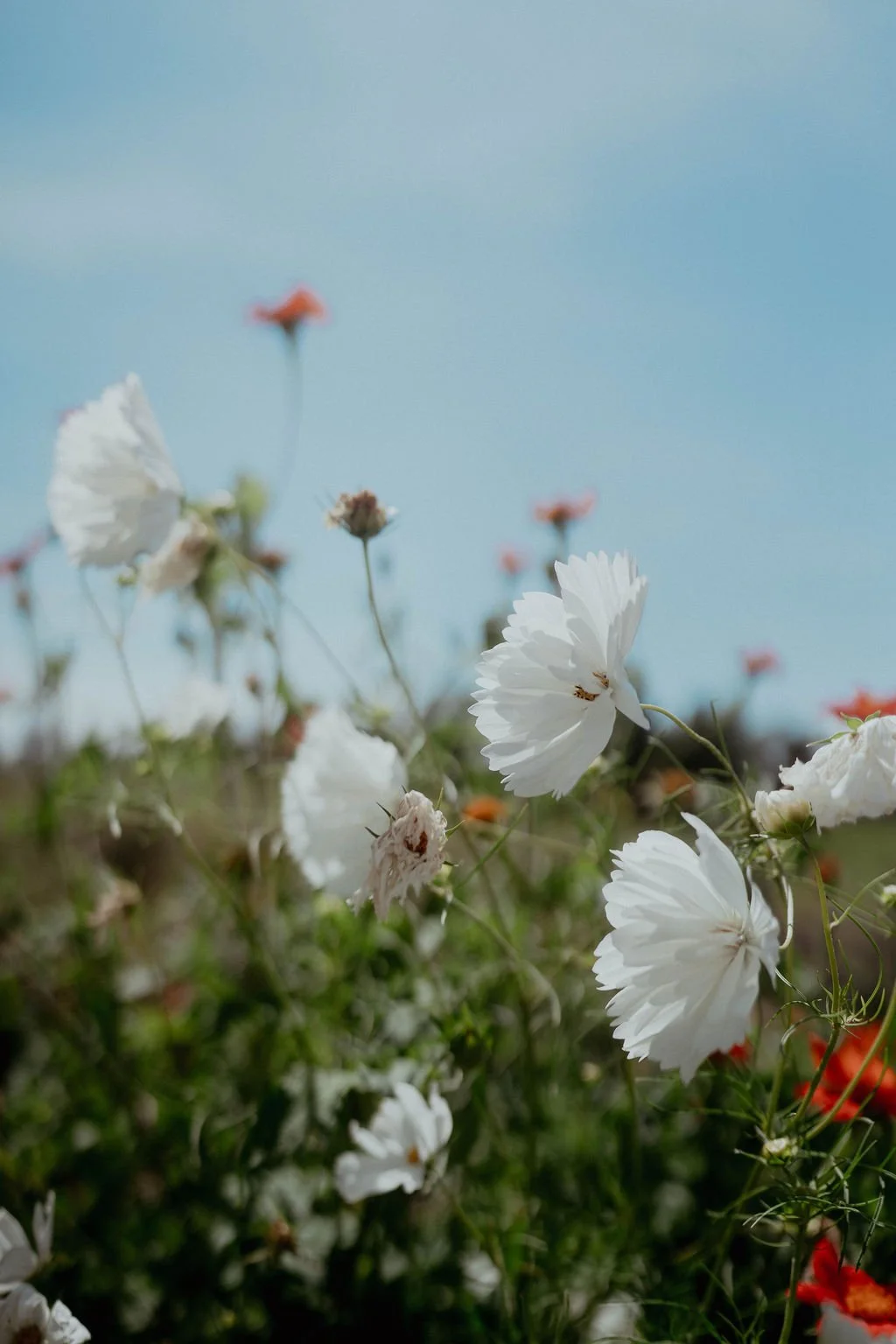
My first garden was at the edge of a parking lot on the backside of our apartment in Providence. The soil was a chunky mix of metal scraps, plastic bits and clay. My roommate longed for a space to grow things so we spent weeks cleaning up a large plot and planting cosmos and zinnias. After work, we'd pull rickety lawn chairs out to the site and drink cheap wine while pretending we were somewhere else.
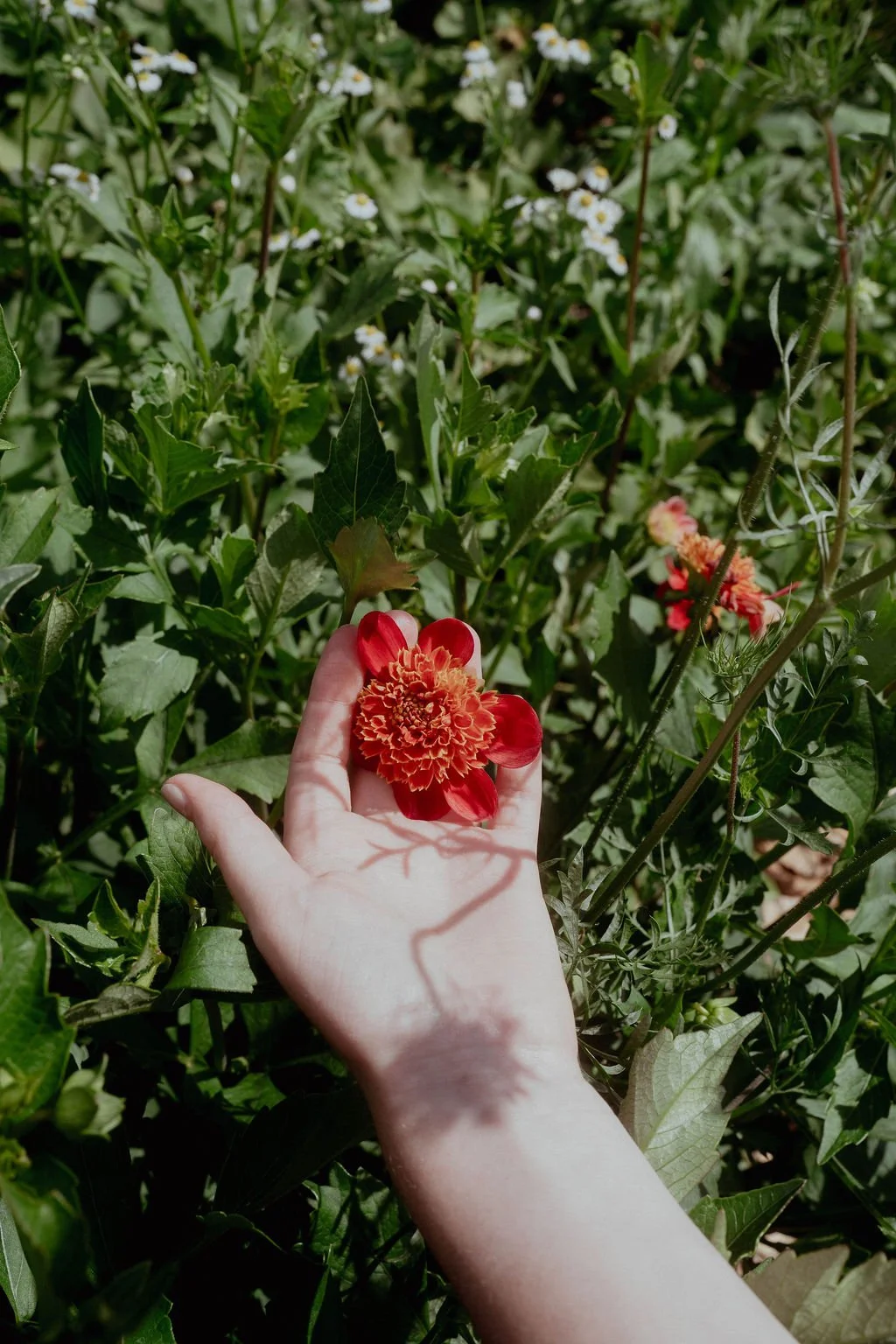
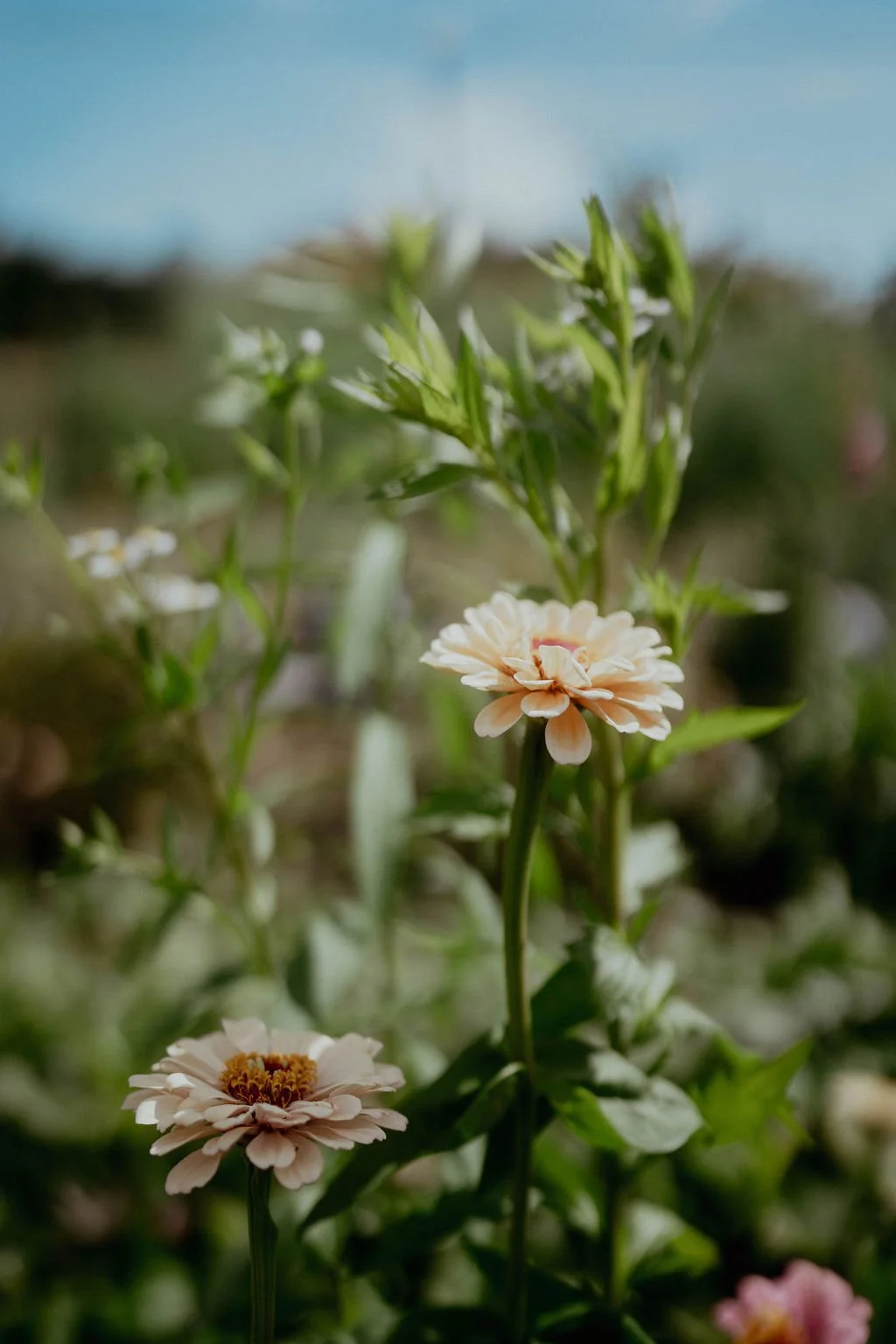
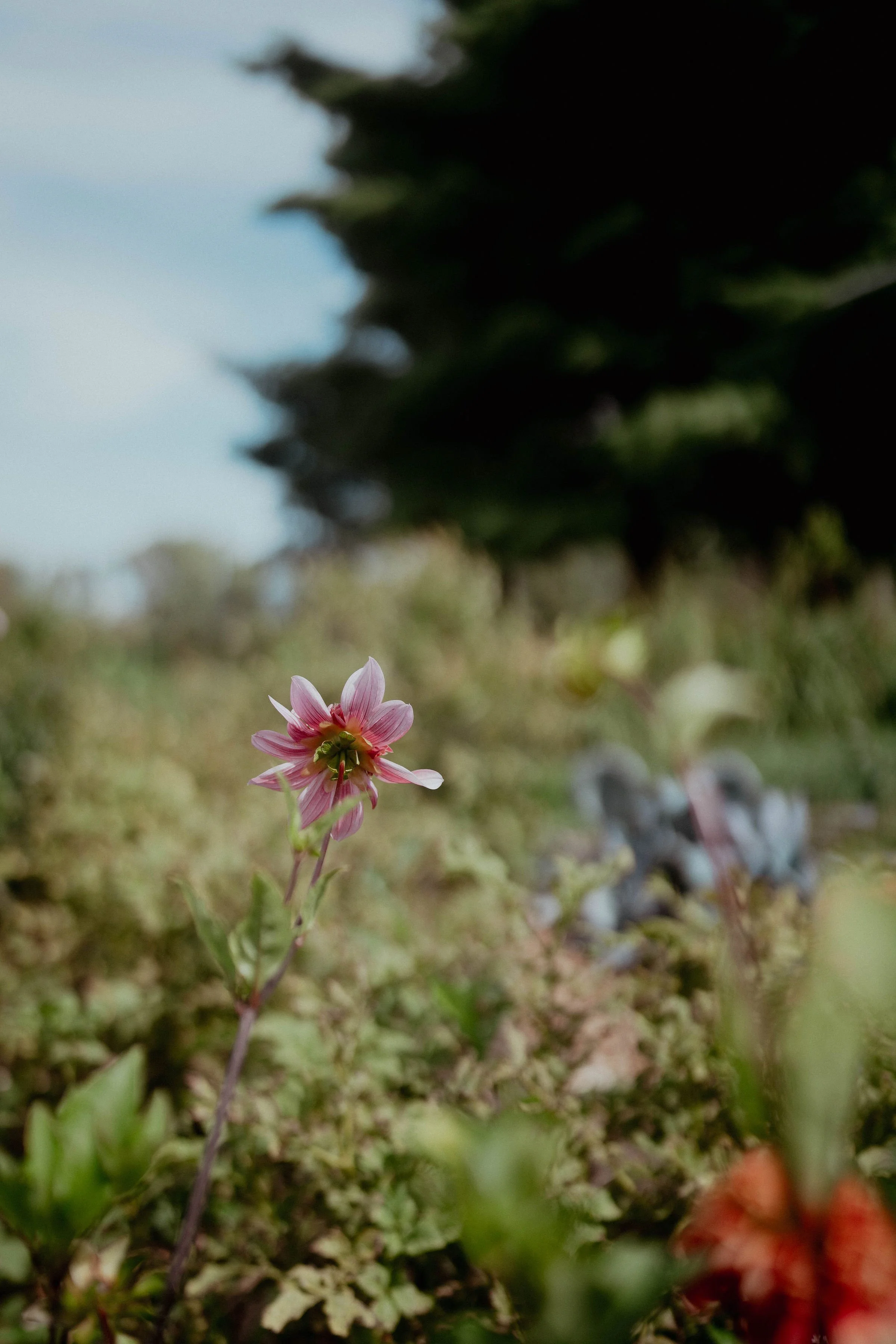
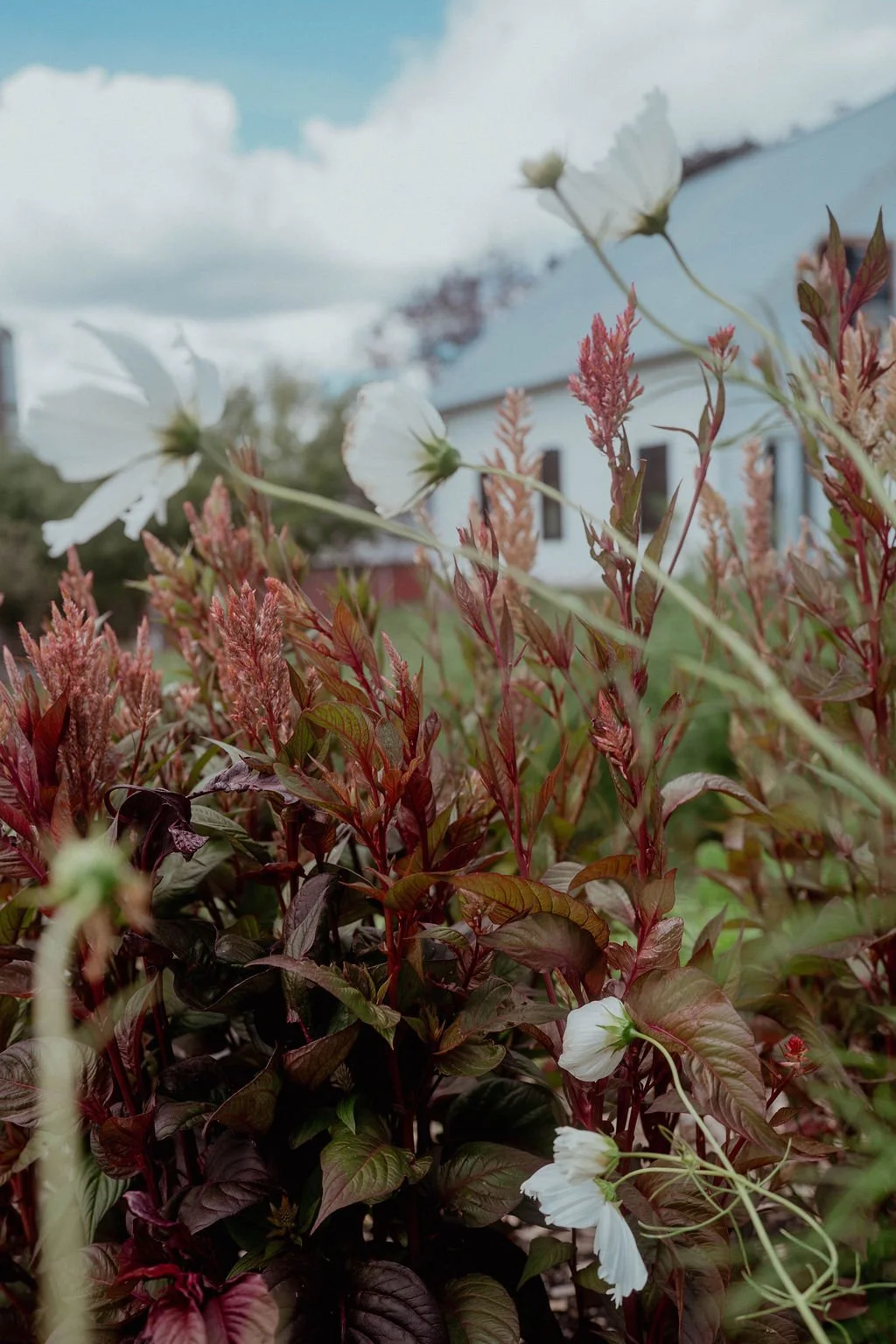
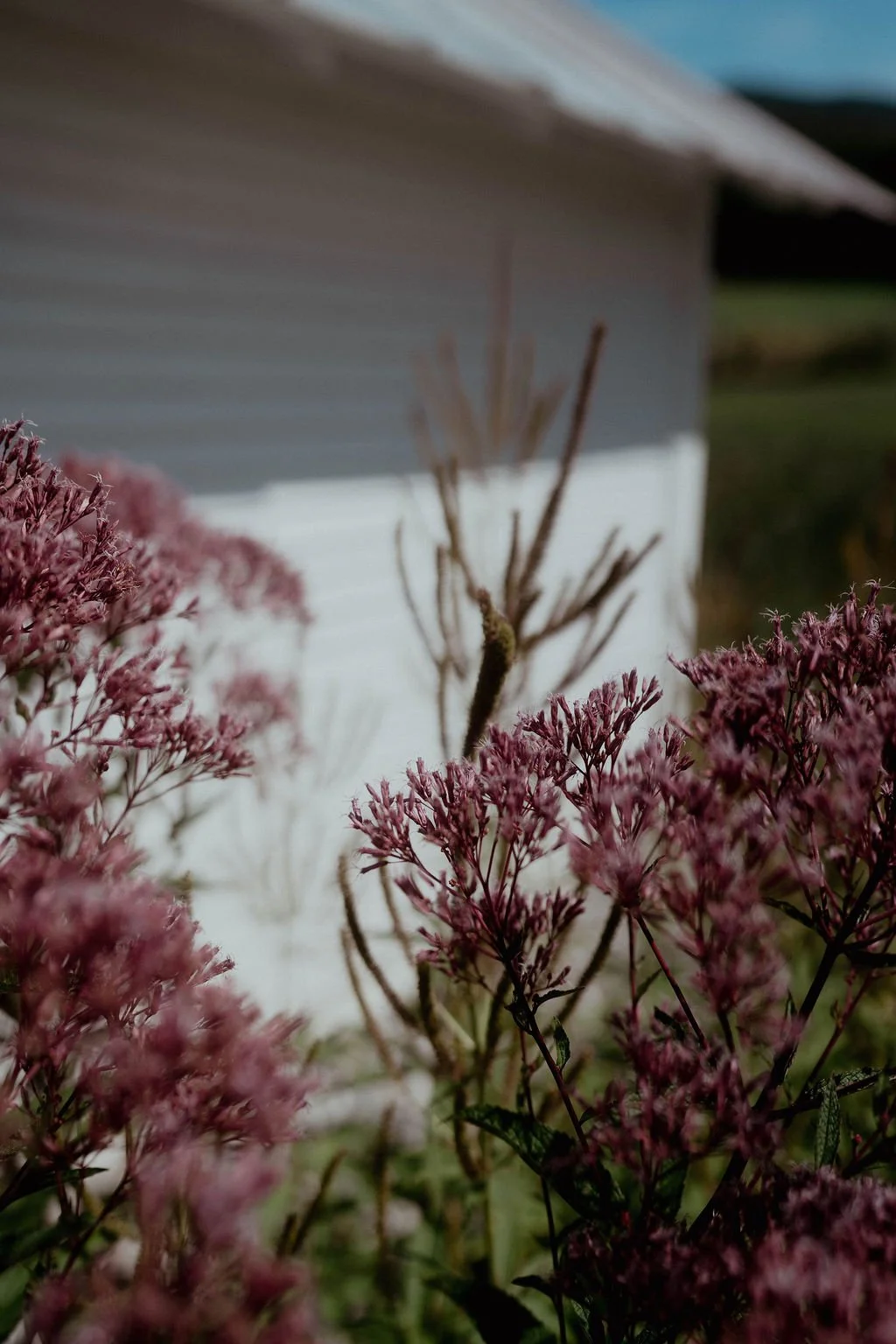
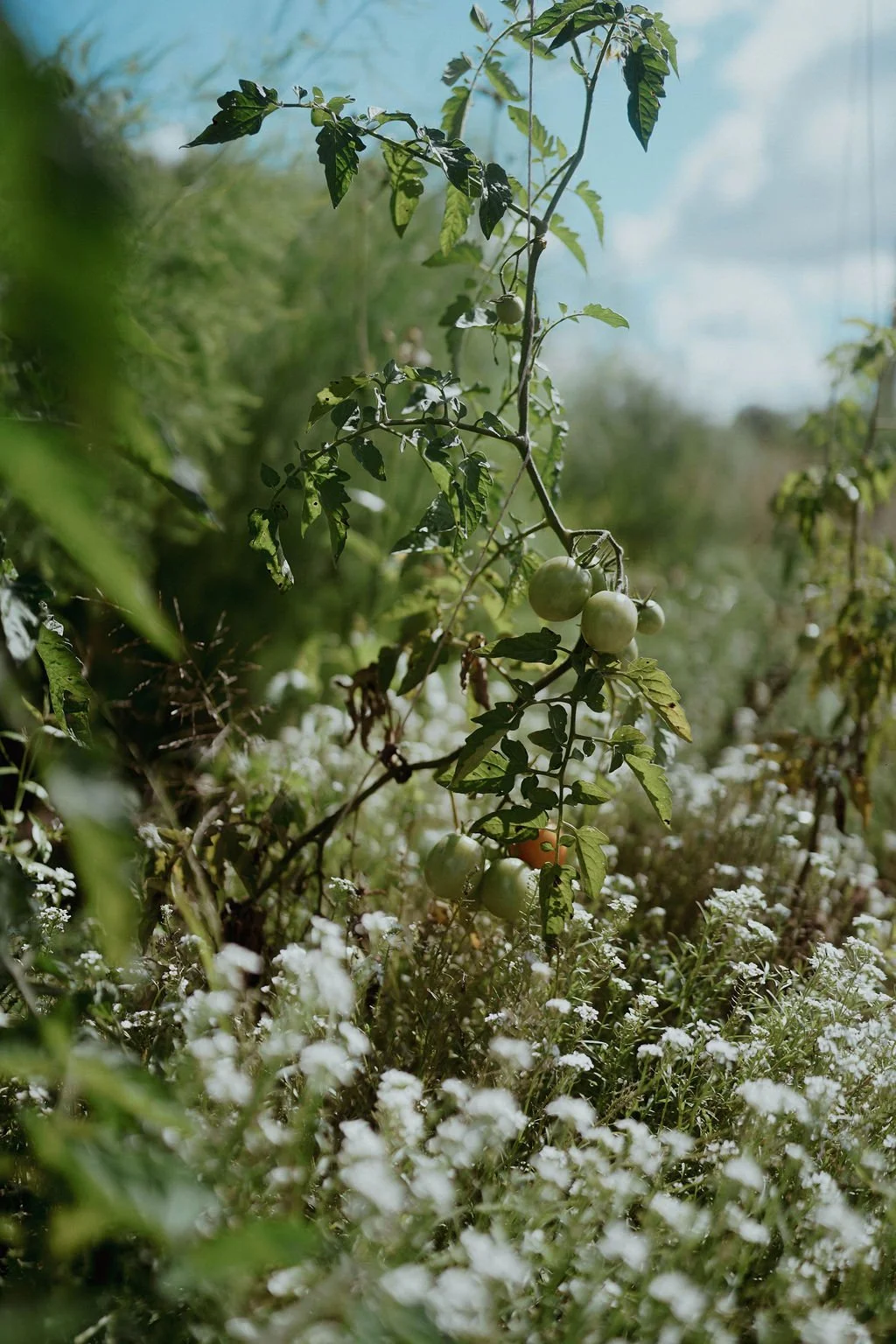
I haven't gone without pushing a flower seed into whatever soil surrounded me since. Joe Pye in Woonsocket, to remind me of summers spent on a pond in Western North Carolina, nasturtiums and lavender in Oakland, hydrangea in Hillsborough. I fawned over seed catalogs, wanting of more space and the right climate to grow peonies. Once here, flower planning became as intrinsic to the farm as food. Dahlia tubers get stored over winter in our cellar, zinnias of apricot and blush overtake the neighboring squash. Sweet Alyssum carpets the ground beneath trellised tomatoes, Celosia transforms a patch into coral reef.
PHOTOGRAPHY: MCKENZIE TAPLIN